
How to Choose the Best Cushioned Running Shoes for Comfort and Performance
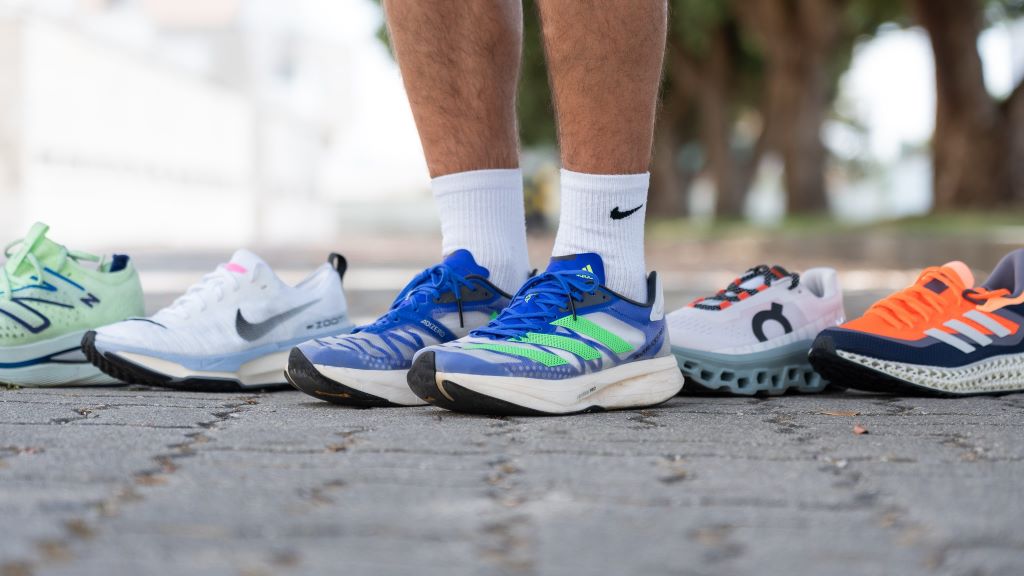
Finding the right running shoes can make all the difference between a comfortable, enjoyable run and one filled with discomfort or even injury. For runners, the right pair of shoes provides the support, cushioning, and stability needed to go the distance—whether you’re training for a marathon, hitting the trails, or just logging daily miles.
Cushioned running shoes are especially popular for their ability to absorb impact, reduce joint stress, and enhance overall comfort. However, not all cushioned shoes are created equal. The best pair for you depends on your running style, foot shape, and personal preferences. With so many options on the market, choosing the right one can feel overwhelming.
If you’re searching for the best cushioned running shoes to improve your comfort and performance, this guide will help you make an informed decision.
Why Cushioned Running Shoes Matter
Cushioned running shoes are designed to absorb shock and reduce the impact on your joints, muscles, and bones. According to a 2023 study published in the Journal of Sports Medicine, proper cushioning can reduce the risk of running-related injuries by up to 30%. This is especially important for runners who log high mileage or have a history of joint pain.
The right cushioning provides several benefits:
- Impact Absorption: Cushioned shoes help absorb the force generated with each footstrike, reducing stress on your knees, hips, and ankles.
- Comfort: Extra padding makes long runs more comfortable, allowing you to focus on your performance rather than discomfort.
- Performance: Well-cushioned shoes can improve your running efficiency by providing a responsive, energized feel with each stride.
- Injury Prevention: Proper cushioning helps prevent common running injuries like shin splints, plantar fasciitis, and stress fractures.
I remember my first pair of poorly cushioned running shoes. After just a few miles, my feet ached, and my knees felt the impact of every step. Switching to a well-cushioned pair transformed my running experience. Suddenly, I could run longer distances without pain, and my recovery time improved dramatically. The right shoes made all the difference in my performance and enjoyment.
Types of Cushioned Running Shoes
1. Max Cushioning Shoes
Max cushioning shoes are designed for runners who want the softest, most protective ride possible. These shoes feature thick, plush midsoles that absorb impact and provide a cloud-like feel. They’re ideal for long-distance runners or those with joint issues.
- Best for: Long-distance runners, runners with joint pain, or those who prefer a soft, plush ride.
- Popular Models: Hoka Bondi, Brooks Glycerin, and Asics Gel-Nimbus.
- Pros: Excellent shock absorption, reduced joint stress, and enhanced comfort.
- Cons: Can feel bulky or less responsive for some runners.
2. Balanced Cushioning Shoes
Balanced cushioning shoes offer a mix of softness and responsiveness. They provide enough padding to protect your joints while still delivering a snappy, energized feel. These shoes are versatile and suitable for a wide range of runners.
- Best for: Daily training, runners who want a balance of comfort and performance, and those who prefer a more natural feel.
- Popular Models: Nike Air Zoom Pegasus, New Balance Fresh Foam 1080, and Saucony Triumph.
- Pros: Versatile, responsive, and suitable for various running styles.
- Cons: May not offer as much cushioning as max-cushioning shoes.
3. Lightweight Cushioned Shoes
Lightweight cushioned shoes provide a softer ride without adding extra weight. They’re ideal for runners who want cushioning but also prioritize speed and agility. These shoes are great for racing or tempo runs.
- Best for: Speedwork, racing, or runners who want a lighter, more agile shoe.
- Popular Models: Adidas Ultraboost, Nike ZoomX Vaporfly, and New Balance FuelCell Rebel.
- Pros: Lightweight, responsive, and great for faster runs.
- Cons: Less cushioning than max-cushioning shoes, which may not be ideal for long distances.
4. Trail Running Shoes with Cushioning
Trail running shoes with cushioning are designed for off-road running. They feature protective, cushioned midsoles and aggressive outsoles for traction on uneven terrain. These shoes are ideal for runners who enjoy hitting the trails.
- Best for: Trail runners, off-road running, or those who need extra protection on rough terrain.
- Popular Models: Hoka Speedgoat, Salomon Speedcross, and Brooks Caldera.
- Pros: Excellent traction, protection, and cushioning for uneven surfaces.
- Cons: Can feel bulky or overbuilt for road running.
5. Stability Cushioned Shoes
Stability cushioned shoes provide extra support for runners who overpronate (roll their feet inward). These shoes combine cushioning with structured elements to guide the foot and reduce the risk of injury.
- Best for: Runners with overpronation or those who need extra arch support.
- Popular Models: Brooks Adrenaline GTS, Asics Gel-Kayano, and Saucony Guide.
- Pros: Provides support and stability for overpronators.
- Cons: May feel too structured for runners who prefer a more natural ride.

Key Features to Look For
1. Midsole Material
The midsole is the heart of a cushioned running shoe. It determines how soft, responsive, and durable the shoe will be. Common midsole materials include:
- EVA Foam: Lightweight and cushioned, but can compress over time.
- Polyurethane (PU): More durable and supportive than EVA but heavier.
- Boost (Adidas): A highly responsive, energized foam that provides excellent cushioning.
- ZoomX (Nike): A lightweight, ultra-responsive foam designed for speed and comfort.
- Fresh Foam (New Balance): A plush, cushioned foam that adapts to your foot’s shape.
2. Drop (Heel-to-Toe Offset)
The drop, or heel-to-toe offset, refers to the difference in height between the heel and forefoot. A higher drop (8–12mm) provides more cushioning and support, while a lower drop (0–4mm) promotes a more natural, minimalist feel.
- High Drop (8–12mm): Best for runners who need extra cushioning or heel support.
- Medium Drop (4–8mm): A balanced option for most runners.
- Low Drop (0–4mm): Ideal for runners who prefer a more natural, minimalist ride.
3. Outsole Material
The outsole provides traction and durability. Look for shoes with rubber outsoles, which offer excellent grip and longevity. Some shoes also feature carbon rubber in high-wear areas for added durability.
4. Upper Material
The upper material affects the shoe’s fit, breathability, and comfort. Common upper materials include:
- Mesh: Lightweight and breathable, ideal for hot weather or long runs.
- Knitted Fabric: Provides a snug, adaptive fit that molds to your foot.
- Synthetic Overlays: Add structure and support without adding weight.
5. Fit and Sizing
A proper fit is crucial for comfort and performance. Look for shoes with a roomy toe box, secure midfoot, and snug heel. Always try shoes on in the afternoon or evening, when your feet are slightly swollen from daily activity.
6. Weight
The weight of the shoe affects its performance and comfort. Lightweight shoes are great for speed and agility, while heavier shoes offer more cushioning and support. Consider your running style and preferences when choosing the weight of your shoe.
7. Durability
Durability is especially important for high-mileage runners. Look for shoes with reinforced outsoles, high-quality midsoles, and sturdy uppers. Some brands offer extended warranties or guarantees for added peace of mind.
How to Choose the Right Cushioned Running Shoes for Your Needs
1. Assess Your Running Style
Consider how and where you run:
- Road Running: Opt for balanced or max-cushioning shoes with durable outsoles.
- Trail Running: Choose trail-specific shoes with aggressive tread and protective cushioning.
- Speedwork or Racing: Lightweight cushioned shoes provide the responsiveness you need for faster runs.
- Long-Distance Running: Max-cushioning shoes offer the protection and comfort needed for high mileage.
2. Determine Your Foot Type
Your foot type and gait influence the type of shoe you need:
- Neutral Arch: Runners with a neutral arch can wear most types of cushioned shoes.
- High Arch: Look for shoes with extra cushioning to absorb impact.
- Low Arch or Flat Feet: Stability or motion-control shoes provide the support needed to prevent overpronation.
3. Consider Your Running Goals
Your goals will help determine the best shoe for you:
- Marathon Training: Max-cushioning shoes provide the protection needed for long distances.
- Speed Training: Lightweight cushioned shoes offer the responsiveness required for tempo runs and races.
- Everyday Running: Balanced cushioning shoes are versatile and suitable for daily training.
4. Try Before You Buy
Always try shoes on before purchasing. Walk or jog around the store to get a feel for the fit and comfort. If buying online, check the retailer’s return policy to ensure you can exchange or return the shoes if they don’t fit well.
5. Set a Budget
Cushioned running shoes range in price from budget-friendly to high-end. Set a budget that works for you and prioritize features that matter most, such as cushioning, durability, and fit.
How to Care for Your Cushioned Running Shoes
Cleaning
- Remove Dirt and Debris: Use a soft brush or damp cloth to clean the outsoles and uppers. Avoid harsh detergents or soaking the shoes, as this can damage the materials.
- Air Dry: Always air dry your shoes away from direct heat or sunlight. Stuffing them with newspaper can help absorb moisture and maintain their shape.
Storage
- Keep Them Dry: Store your shoes in a cool, dry place to prevent mold and mildew. Avoid leaving them in a gym bag or damp area.
- Rotate Shoes: If you run frequently, rotate between two pairs of shoes to extend their lifespan and allow them to fully dry between runs.
Replacement
- Monitor Mileage: Most running shoes last between 300–500 miles. Keep track of your mileage and replace your shoes when they show signs of wear, such as flattened midsoles or worn-out treads.
- Check for Wear: Inspect your shoes regularly for signs of wear, such as cracks in the midsole or separated seams. Replace them if they no longer provide adequate support or cushioning.
Common Mistakes to Avoid
1. Choosing Based on Looks Alone
While aesthetics are important, prioritize fit, comfort, and performance over appearance. A shoe that looks great but doesn’t fit well will only lead to discomfort and injury.
2. Ignoring Your Foot Type
Wearing shoes that don’t match your foot type or gait can lead to injuries. Always choose shoes that provide the support and cushioning your feet need.
3. Skipping the Try-On
Never buy running shoes without trying them on first. Fit and comfort are highly personal, and what works for one runner may not work for another.
4. Overlooking Durability
Cheap, poorly made shoes may save you money upfront but can lead to injuries or frequent replacements. Invest in high-quality shoes that will last and support your running goals.
5. Not Replacing Worn-Out Shoes
Running in worn-out shoes increases your risk of injury. Replace your shoes every 300–500 miles or when they show signs of wear.
FAQs About Cushioned Running Shoes
How often should I replace my running shoes?
Replace your running shoes every 300–500 miles or when you notice signs of wear, such as flattened midsoles or worn-out treads.
Are max-cushioning shoes good for all runners?
Max-cushioning shoes are ideal for long-distance runners or those with joint issues. However, some runners prefer a more responsive, balanced shoe for shorter or faster runs.
Can I use trail running shoes on the road?
Trail running shoes are designed for off-road use and may feel bulky or overbuilt for road running. Stick to road-specific shoes for pavement and trails for off-road running.
How do I know if a shoe has enough cushioning?
Try the shoe on and walk or jog around the store. The midsole should feel soft and supportive, absorbing impact without feeling too mushy or unstable.
What’s the difference between EVA and Boost foam?
EVA foam is lightweight and cushioned but can compress over time. Boost foam, developed by Adidas, is highly responsive and energized, providing excellent cushioning and durability.
Conclusion
Choosing the best cushioned running shoes for comfort and performance is all about understanding your needs, preferences, and running style. By considering factors like midsole material, drop, fit, and durability, you can find a pair that supports your goals and keeps you running strong.
The right shoes make every run more enjoyable and help you achieve your best performance. Share your favorite running shoe tips or ask questions in the comments below—let’s help each other find the perfect pair for the road ahead!
 How to Assemble a Dumos Mirror Jewelry Cabinet
  Doha Jewellery and Watches Exhibition 2026: Dates, Tickets, Luxury Brands and Visitor Guide
  How to Choose the Best Exercise T-Shirt for Men: Breathability, Fit, and Performance Tips
  How to Pick the Best Plus Size Bikini Sets for Women: Flattering Fits and Support Guide
  How to Choose the Best Diaper Bags for Organization and Comfort
  How to Find the Perfect Beach Sunglasses for Women: Trends, Fit, and UV Protection Tips
  Why Choose A Homde Jewelry Box For Secure Storage?
 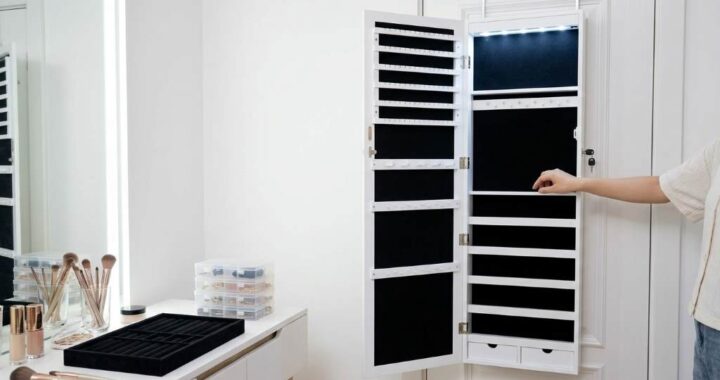 How To Organize With A Songmics LED Jewelry Cabinet?
 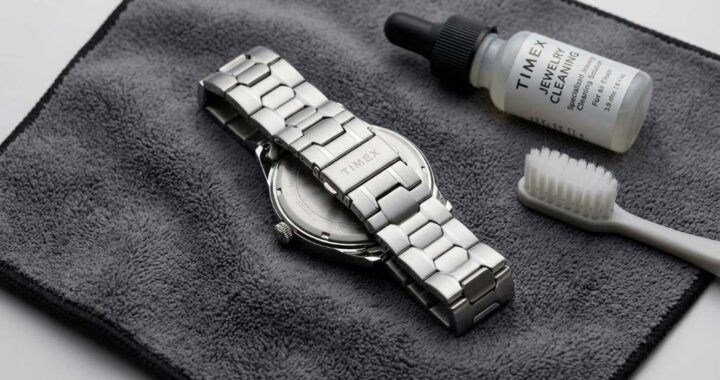 How to Clean a Timex Tribute Stainless Steel Watch