
How to Design Home Theaters and Wine Cellars for Ultra-Modern Luxury Living Spaces

Luxury living has changed. Today, high-end homeowners want more than just beautiful rooms. They want experiences. Two spaces that define this shift are the home theater and the wine cellar. When designed well, these rooms do not just look stunning — they feel transformative.
However, creating these spaces requires more than buying expensive equipment or stacking bottles on shelves. Good design combines function, aesthetics, and technology. This guide walks you through everything you need to know to build a home theater and wine cellar that fits perfectly into an ultra-modern luxury home.
Understanding the Vision Before You Build
Before you pick a projector or choose a wine rack, you need a clear vision. Ask yourself: What feeling do I want this space to create? A home theater should feel immersive. A wine cellar should feel curated and calm.
Therefore, start with your lifestyle. Do you host large movie nights or prefer intimate screenings? Do you collect wine seriously or enjoy it casually? Your answers will shape every design decision that follows.
Additionally, think about how both spaces connect to the rest of your home. Ultra-modern luxury design values flow and cohesion. A home theater tucked behind a glass wall or a wine cellar visible through a floor-to-ceiling window can become architectural features in their own right.
Designing the Perfect Home Theater
Choosing the Right Room
Location matters more than most people realize. A basement is often ideal because it naturally blocks outside light and reduces sound travel. However, above-ground rooms can work well too, especially with proper acoustic treatment and blackout solutions.
The room shape also plays a role. Rectangular rooms perform better acoustically than square ones. Sound waves in square rooms bounce in ways that create uneven audio experiences. A slightly elongated room gives you a better listening environment from the start.
Acoustic Treatment Is Everything
In a luxury home theater, sound quality is non-negotiable. Therefore, acoustic panels, bass traps, and diffusers are essential. These elements control how sound moves through the room. Without them, even the most expensive speaker system will underperform.
Wall panels can be stylish. Many manufacturers offer fabric-covered panels in dozens of colors and textures. You can match them to your overall interior design without sacrificing function. Ceiling clouds — suspended acoustic panels — add a dramatic visual element while taming harsh reflections from above.
Seating That Combines Comfort and Style
Ultra-modern luxury home theaters have moved far beyond basic recliners. Today’s options include tiered platform seating, curved sofa configurations, and custom-built lounge chairs with built-in USB ports, cup holders, and ambient lighting.
Tiered seating is particularly effective in larger rooms. It ensures every seat has a clear sightline to the screen. Additionally, raised platforms create a cinema-like atmosphere that makes the experience feel special every single time you use the space.
Choose materials that are both durable and luxurious. Full-grain leather, performance velvet, and microfiber suede all work well. They clean easily and age beautifully.
Screens, Projectors, and Display Technology
The display is the centerpiece of any home theater. For a truly immersive experience, a 4K laser projector paired with a large acoustically transparent screen is considered the gold standard. Screens can range from 100 to 200 inches, depending on room size and seating distance.
However, some ultra-modern designs favor large-format OLED or MicroLED panels instead of projection setups. These offer stunning contrast and perfect black levels. They also eliminate the need for a dedicated projection throw distance. The choice depends on your room dimensions and personal preference.
Motorized screens add a clean, modern touch. When not in use, the screen disappears into the ceiling. The room can then serve as a lounge, gaming space, or entertainment area — making the investment even more practical.
Lighting Design for Atmosphere
Lighting transforms a home theater. Recessed ceiling lights on dimmer controls allow you to set the mood before the film begins. Cove lighting behind the screen creates a soft glow that reduces eye strain during long viewing sessions.
LED step lights along aisles and under seats add both safety and style. Color-changing smart lighting systems let you program different scenes — movie mode, intermission mode, game mode — with a single tap on your phone or voice command.

Designing a Luxury Wine Cellar
Temperature, Humidity, and Climate Control
Wine is sensitive. It ages best in a cool, stable environment. The ideal temperature range is between 55°F and 65°F (13°C to 18°C). Humidity should stay between 60 and 70 percent. Therefore, a dedicated wine cooling system is not optional — it is essential.
Split cooling systems are the quietest and most efficient choice for a luxury wine cellar. Unlike through-the-wall units, they separate the compressor from the evaporator. This means the mechanical noise stays outside the cellar. Inside, all you hear is silence.
Selecting the Right Materials
The materials you choose for a wine cellar define its character. Reclaimed wood is a popular option. It adds warmth and a sense of history that pairs well with aged bottles. Mahogany, redwood, and pine are all excellent choices because they resist moisture and do not warp easily.
However, ultra-modern luxury cellars often blend wood with glass, steel, and concrete. A floor-to-ceiling glass wall turns the cellar into a display. Guests can admire your collection from the dining room or kitchen. This approach works beautifully in open-plan homes where the cellar becomes a visual anchor of the space.
Wine Rack Systems and Storage Solutions
Storage design should match your collection. If you collect horizontally-stored bottles, traditional wood racks work perfectly. If you prefer a contemporary look, metal display racks, floating wall systems, or acrylic display shelves offer a sleek alternative.
Consider a mix of storage types. Use standard racking for your everyday bottles. Reserve dedicated display areas for your finest and most valuable wines. Some cellars include a central island with storage beneath and a tasting counter above — a perfect functional feature for serious collectors.
Additionally, include dedicated sections for magnums, half-bottles, and large-format bottles. Standard racks are often built only for 750ml bottles. Planning ahead prevents frustration later.
Lighting That Protects and Impresses
Light is the enemy of wine. UV rays degrade wine over time. Therefore, LED lighting is the only appropriate choice for a wine cellar. LEDs emit very little UV radiation and produce minimal heat.
The good news is that LED technology has advanced tremendously. You can now find warm-toned LED strips and spotlights that cast a rich, amber glow across your bottles. This creates a dramatic, gallery-like atmosphere. Recessed lighting inside the racks illuminates labels beautifully, making it easy to find what you are looking for.
A Tasting Area Within the Cellar
A well-designed luxury wine cellar includes a space to enjoy what you have collected. A small tasting area with a stone or marble countertop, two or four stools, and proper glassware storage completes the experience.
This does not require a lot of space. Even a two-foot counter along one wall is enough. Add a small sink for rinsing glasses, and the cellar becomes fully self-contained. Guests who visit the cellar with you can taste, compare, and appreciate your collection without ever leaving the room.
Integrating Both Spaces Into Your Home’s Design Language
The most successful luxury homes treat every room as part of a single, cohesive story. Your home theater and wine cellar should not feel like afterthoughts. They should feel like natural extensions of your home’s overall aesthetic.
If your home leans toward minimalism, apply that philosophy inside these rooms too. Clean lines, hidden storage, and neutral palettes work just as well in a theater or cellar as they do in a living room. If your home is warmer and more textured, bring those qualities in through wood finishes, soft upholstery, and layered lighting.
Furthermore, smart home integration ties everything together. A single app or control panel that manages your theater’s audio, lighting, and screen — and your cellar’s temperature, inventory, and lighting — creates a seamless, luxury experience throughout your home.
Working With the Right Professionals
Designing a home theater or wine cellar is not a solo project. You will benefit greatly from working with specialists. A dedicated home theater designer understands acoustic science, seating geometry, and display calibration. A wine cellar specialist understands cooling systems, rack engineering, and preservation best practices.
However, do not neglect your interior designer. They ensure that the finished spaces look as good as they function. The best results always come from a team that communicates well and shares your vision.
Conclusion
Designing a home theater and wine cellar for a luxury living space is one of the most rewarding investments you can make in your home. Both spaces combine function with atmosphere in a way that few other rooms can match.
Start with a clear vision. Choose materials and technology that reflect your lifestyle. Pay close attention to acoustics in the theater and climate control in the cellar. Integrate smart home systems to make both spaces effortless to use. Work with experienced professionals who understand both the technical and aesthetic demands of the project.
When done right, these spaces become the heart of your home — places where great films are watched, exceptional wines are discovered, and lasting memories are made.
Frequently Asked Questions
1. How much does it cost to build a luxury home theater? A high-end home theater typically costs between $50,000 and $300,000 or more, depending on room size, equipment quality, seating, and acoustic treatment. Custom builds with premium audio-visual systems can exceed this range.
2. What is the best temperature for a home wine cellar? The ideal storage temperature is between 55°F and 65°F (13°C to 18°C). Consistency matters more than the exact number. Fluctuating temperatures are more damaging to wine than a temperature that sits slightly outside this range.
3. Can a home theater double as a regular living space? Yes. With motorized screens, retractable seating, and smart lighting, a home theater can transition into a lounge or entertainment space easily. Many modern designs specifically plan for this dual-purpose use.
4. How much wine can a standard luxury cellar hold? This depends entirely on the room size and rack configuration. A modest 200-square-foot cellar can hold between 1,000 and 3,000 bottles. Larger cellars with efficient racking systems can store 5,000 bottles or more.
5. Do I need planning permission to build a home theater or wine cellar? In most cases, interior renovations do not require planning permission. However, if the project involves structural changes, basement excavation, or significant electrical work, you should check with your local authority. Always consult a professional contractor before starting.
Related topics:
How to Travel, Dress and Dine Like a Millionaire on a Budget
Japanese Aesthetics in Luxury Jewelry Design: A Harmony of Tradition and Modernity
 How To Choose Luxury Over-Ear Headphones for Premium Sound Experience in New York
  How To Choose Anti-Aging Face Cream for Youthful Skin
  Best Anti-Aging Face Creams in Washington (WA) – Which One Balances Hydration and Wrinkle Care Best?
  How To Build an Affordable Skincare and Makeup Collection
  How To Use Scalp Growth Serums for Healthier Hair
  How To Build an Anti-Aging Skincare Routine on a Budget
  Why Choose A Homde Jewelry Box For Secure Storage?
 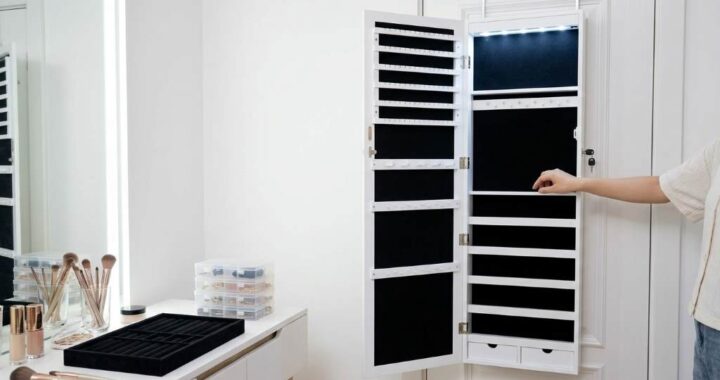 How To Organize With A Songmics LED Jewelry Cabinet?
  How to Assemble a Dumos Mirror Jewelry Cabinet
  How to Clean a Timex Tribute Stainless Steel Watch