
The Timeless Precision: Why Switzerland Reigns Supreme in the World of Watchmaking
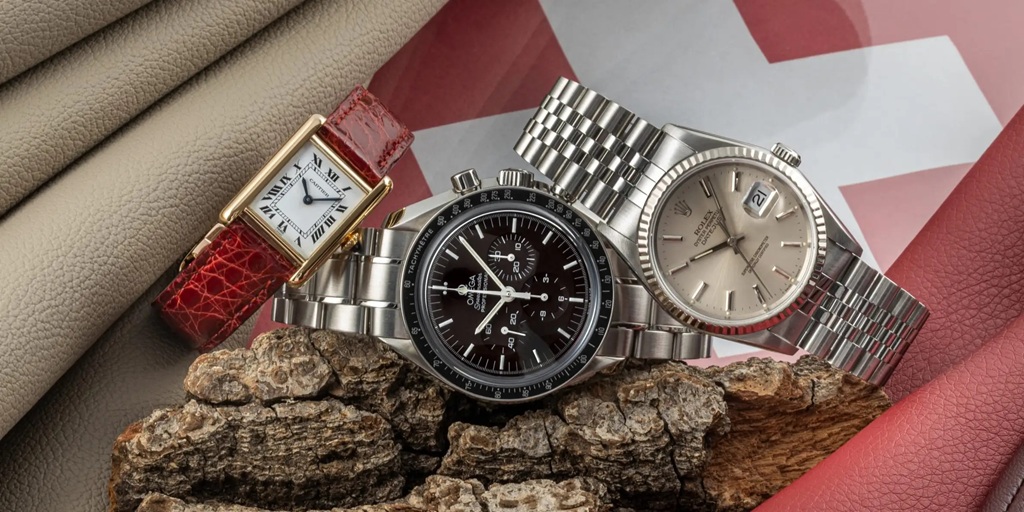
Switzerland. The name itself conjures images of snow-capped mountains, pristine lakes, and, of course, exquisitely crafted timepieces. For centuries, this small Alpine nation has held an unparalleled reputation as the epicenter of horological excellence. But what is it about Switzerland that has allowed it to maintain its dominance in the world of watchmaking? This article delves into the intricate history, cultural nuances, and technical prowess that have cemented Switzerland’s position as the undisputed home of the finest watches.
A Legacy Forged in Precision and Tradition
The story of Swiss watchmaking begins in the 16th century, with the arrival of Protestant refugees from France, the Huguenots, fleeing religious persecution. Many of these refugees were skilled watchmakers, bringing with them invaluable expertise and a dedication to craftsmanship. They settled in Geneva, a city already known for its skilled artisans and favorable regulatory environment. This influx of talent laid the foundation for a burgeoning watchmaking industry.
The early Swiss watchmakers focused on producing intricate and reliable timepieces, catering to a growing demand for accurate timekeeping. They developed innovative techniques and tools, pushing the boundaries of precision. The harsh winters, which limited agricultural work, also fostered a culture of meticulous indoor craftsmanship. Families would work together, passing down skills and knowledge through generations. This dedication to tradition and quality became ingrained in the Swiss watchmaking ethos.
Furthermore, the establishment of the “établissage” system played a crucial role. This system involved a network of specialized workshops, each focusing on a specific component of the watch. One workshop would produce dials, another hands, another movements, and so on. This division of labor allowed for unparalleled specialization and efficiency, leading to the production of high-quality watches at scale. The “établissage” system allowed small workshops to contribute to the creation of luxury timepieces, creating a robust eco-system that benefited all participants.
The 18th and 19th centuries saw significant advancements in watchmaking technology. The development of the lever escapement, the invention of the chronograph, and the refinement of the tourbillon all originated in Switzerland. These innovations solidified Switzerland’s position as the leader in horological innovation. The establishment of watchmaking schools, such as the École d’Horlogerie de Genève, further ensured the transmission of knowledge and the development of future generations of watchmakers.
The “Swiss Made” Label: A Symbol of Uncompromising Quality
The “Swiss Made” label is synonymous with quality, precision, and craftsmanship. It is a testament to the rigorous standards and regulations that govern the Swiss watchmaking industry. To bear the “Swiss Made” label, a watch must meet strict criteria, including:
- Movement: The movement must be Swiss, meaning at least 60% of its manufacturing costs must be generated in Switzerland.
- Assembly: The watch must be assembled and inspected in Switzerland.
- Final Inspection: The final inspection must take place in Switzerland.
These regulations ensure that watches bearing the “Swiss Made” label are truly Swiss in origin and meet the highest standards of quality. This label has become a powerful marketing tool, symbolizing the prestige and reliability of Swiss watches.
Beyond the regulatory framework, the “Swiss Made” label represents a cultural commitment to excellence. Swiss watchmakers take immense pride in their craft, viewing it as an art form rather than a mere industrial process. This dedication to quality is reflected in the meticulous attention to detail, the use of high-quality materials, and the rigorous testing that goes into every Swiss watch.
The culture of innovation that has been a hallmark of Swiss watchmaking for centuries continues to this day. Swiss watch brands invest heavily in research and development, pushing the boundaries of horological technology. From the development of new materials to the creation of complex complications, Swiss watchmakers are constantly striving to improve the accuracy, reliability, and aesthetics of their timepieces. The industry also benefits from close ties with other Swiss industries, such as micro-engineering and precision manufacturing, allowing them to leverage cutting-edge technologies.
Related: Fixing a Loose Watch Hand: Temporary Solutions for Emergencies
The Powerhouse Brands: Icons of Horological Excellence
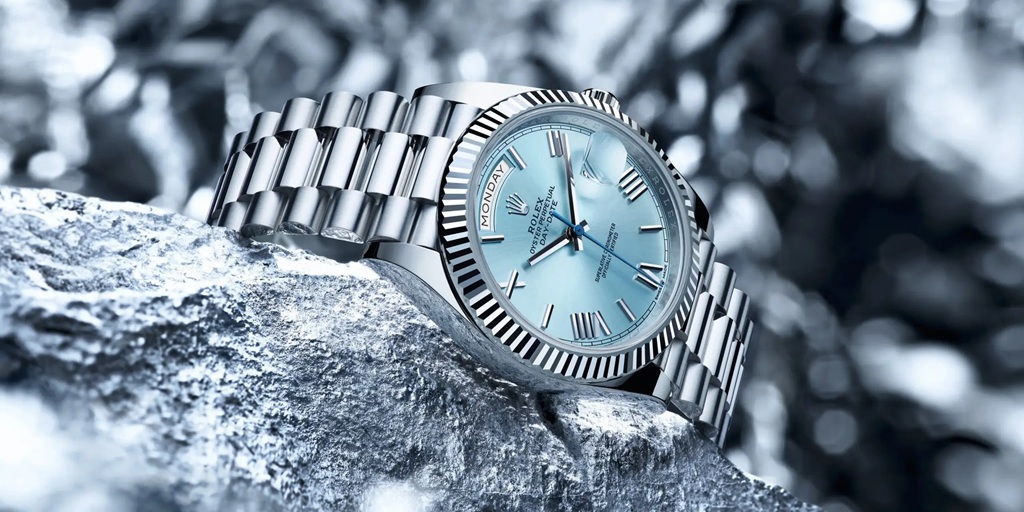
Switzerland is home to some of the most prestigious and iconic watch brands in the world. These brands have achieved legendary status, representing the pinnacle of horological achievement.
- Rolex: Synonymous with luxury and prestige, Rolex is renowned for its robust and reliable watches. From the iconic Submariner to the elegant Datejust, Rolex watches are prized for their timeless design and exceptional quality.
- Patek Philippe: Known for its complex and exquisitely finished watches, Patek Philippe is considered one of the “holy trinity” of Swiss watchmaking. Their timepieces are often considered works of art, embodying the highest standards of horological craftsmanship.
- Audemars Piguet: Famous for its groundbreaking Royal Oak collection, Audemars Piguet is a master of innovative design and complex complications. Their watches are characterized by their bold aesthetics and technical sophistication.
- Omega: Known for its precision and reliability, Omega has a long history of supplying watches for space exploration and sporting events. Their Speedmaster chronograph, worn by astronauts on the moon, is a testament to their engineering prowess.
- TAG Heuer: TAG Heuer has a strong association with motorsports and sports timing. Their watches are known for their sporty design and technical innovation.
- Longines: Longines has a long history of elegant and reliable timepieces. Their watches are known for their classic designs and exceptional value.
- Jaeger-LeCoultre: Jaeger-LeCoultre is known for its technical innovation and mastery of complex complications. Their watches are characterized by their intricate movements and refined aesthetics.
These brands, and many others, contribute to the rich tapestry of Swiss watchmaking, each bringing its unique style and expertise to the table. This concentration of talent and expertise further solidifies Switzerland’s position as the global leader in horology.
People Also Ask (FAQs)
Q: Why are Swiss watches so expensive?
A: Swiss watches are expensive due to a combination of factors, including:
- High-quality materials: Swiss watchmakers use only the finest materials, such as precious metals, sapphire crystals, and high-grade steel.
- Meticulous craftsmanship: Each Swiss watch is meticulously crafted by skilled artisans, requiring hundreds of hours of work.
- Rigorous quality control: Swiss watches undergo rigorous testing to ensure accuracy and reliability.
- Innovation and research: Swiss brands invest heavily in research and development.
- The “Swiss Made” label: This label adds to the perceived value and prestige of Swiss watches.
Q: Are all Swiss watches luxury watches?
A: While Switzerland is known for its luxury watches, not all Swiss watches are luxury items. There are many Swiss brands that produce high-quality watches at more affordable prices. However, the “Swiss Made” label generally implies a higher level of quality and craftsmanship.
Q: What makes a Swiss watch movement so special?
A: Swiss watch movements are renowned for their precision, reliability, and durability. They are often hand-assembled and meticulously regulated to ensure accuracy. Swiss watchmakers also employ advanced technologies and materials to improve the performance of their movements.
Related: How to Negotiate Discounts at Luxury Outlet Malls
Q: How do I know if a Swiss watch is authentic?
A: To ensure a Swiss watch is authentic:
- Purchase from authorized dealers.
- Look for the “Swiss Made” label.
- Check for proper documentation and serial numbers.
- Examine the watch for quality craftsmanship and finishing.
- Research the brand and specific model.
Q: What are the most famous Swiss watch brands?
A: Some of the most famous Swiss watch brands include Rolex, Patek Philippe, Audemars Piguet, Omega, TAG Heuer, Longines, and Jaeger-LeCoultre.
Conclusion: The Enduring Legacy of Swiss Horology
Switzerland’s dominance in the world of watchmaking is not a mere coincidence. It is the result of centuries of dedication, innovation, and a relentless pursuit of excellence. The “Swiss Made” label is more than just a mark of origin; it is a symbol of uncompromising quality and a testament to the enduring legacy of Swiss horology. From the intricate movements to the exquisite designs, Swiss watches represent the pinnacle of craftsmanship and precision. As long as time continues to tick, Switzerland will remain the undisputed home of the world’s finest timepieces. The culture of innovation, the dedication to quality, and the legacy of craftsmanship, will continue to drive swiss watchmaking into the future.
 How to Assemble a Dumos Mirror Jewelry Cabinet
  Doha Jewellery and Watches Exhibition 2026: Dates, Tickets, Luxury Brands and Visitor Guide
  How to Choose the Best Exercise T-Shirt for Men: Breathability, Fit, and Performance Tips
  How to Pick the Best Plus Size Bikini Sets for Women: Flattering Fits and Support Guide
  How to Choose the Best Diaper Bags for Organization and Comfort
  How to Find the Perfect Beach Sunglasses for Women: Trends, Fit, and UV Protection Tips
  Why Choose A Homde Jewelry Box For Secure Storage?
  How To Organize With A Songmics LED Jewelry Cabinet?
  How to Clean a Timex Tribute Stainless Steel Watch