
Smart Luxury: The Future of Tech-Enhanced Fashion
The world of fashion is evolving, and smart luxury is leading the charge. By merging cutting-edge technology with high-end design, tech-enhanced fashion offers style, functionality, and sustainability. Imagine clothing that adjusts to your body temperature or accessories that track your health. This fusion, known as smart luxury, redefines how we interact with fashion. According to a 2023 McKinsey report, the global smart textiles market is expected to reach $11 billion by 2030. As consumers demand more from their wardrobes, brands are innovating to meet these needs. This article explores the exciting future of tech-enhanced fashion, its benefits, and its challenges. Read on to discover how smart luxury is shaping the industry.
What Is Smart Luxury in Fashion?
Smart luxury combines premium fashion with advanced technology to create functional, stylish products. Unlike traditional clothing, tech-enhanced fashion integrates features like sensors, conductive fabrics, or wearable devices. For instance, a smart jacket might charge your phone or monitor your heart rate. This innovation appeals to consumers seeking both elegance and practicality.
The rise of smart luxury reflects changing consumer preferences. A 2022 Deloitte study found that 62% of millennials prioritize sustainability and functionality in fashion purchases. Brands like Ralph Lauren and Under Armour are responding with products like heated jackets and fitness-tracking apparel. However, integrating technology without compromising aesthetics remains a challenge. Designers must balance form and function to maintain the luxury appeal. My first encounter with a smart scarf that adjusted warmth based on weather left me amazed at how seamless technology can be.
Key Technologies Driving Tech-Enhanced Fashion
Several technologies are powering the smart luxury movement. Conductive threads, embedded sensors, and nanotechnology are transforming garments into intelligent systems. These innovations enable features like temperature regulation, health monitoring, and even color-changing fabrics.
- Conductive Threads: These allow garments to connect with devices, like a jacket syncing with your smartphone.
- Embedded Sensors: Used in athletic wear, they track metrics like heart rate or calories burned.
- Nanotechnology: Creates stain-resistant or self-cleaning fabrics, enhancing durability.
According to a 2024 Statista report, the wearable technology market is projected to grow by 15% annually through 2028. However, high production costs can limit accessibility. Brands must innovate to make smart luxury affordable. I once tried a smart shirt that tracked my posture during work, and it genuinely improved my daily comfort.
Challenges in Scaling Smart Luxury
While promising, smart luxury faces hurdles. High costs of materials like conductive fibers increase retail prices, making products less accessible. Additionally, integrating technology without sacrificing style requires skilled craftsmanship. Consumers also worry about data privacy, as smart garments often collect personal information.
To address these, brands are exploring sustainable materials and transparent data policies. For example, some companies use recycled conductive threads to lower costs. Moreover, partnerships between tech firms and fashion houses are streamlining production. Overcoming these challenges is crucial for mainstream adoption. As a tech enthusiast, I’ve noticed how privacy concerns make friends hesitant to try smart clothing, but clear policies could build trust.
Sustainability and Smart Luxury
Sustainability is a core pillar of smart luxury. Tech-enhanced fashion reduces waste through durable, multifunctional garments. For instance, self-cleaning fabrics decrease the need for frequent washing, saving water. Additionally, some brands use biodegradable sensors to minimize environmental impact.
A 2023 World Economic Forum study highlighted that 70% of consumers prefer eco-friendly fashion. Smart luxury aligns with this trend by offering longevity and efficiency. However, producing high-tech materials can still harm the environment. Brands like Stella McCartney are countering this by prioritizing green manufacturing. Trying a sustainable smart dress that required less laundering made me realize how small changes can make a big difference for the planet.
The Role of Personalization
Personalization is another advantage of smart luxury. Technology allows garments to adapt to individual needs, like adjusting fit or monitoring health metrics. For example, a smart shoe might analyze your gait to improve comfort. This customization enhances user experience and brand loyalty.
Moreover, 3D printing and AI-driven design enable made-to-order clothing, reducing overproduction. However, scaling personalized tech is costly. Smaller brands struggle to compete with giants like Nike, who offer custom smart sneakers. As someone who values unique style, I found a tailored smart jacket that fit perfectly and synced with my phone to be a game-changer.
The Future Outlook of Tech-Enhanced Fashion
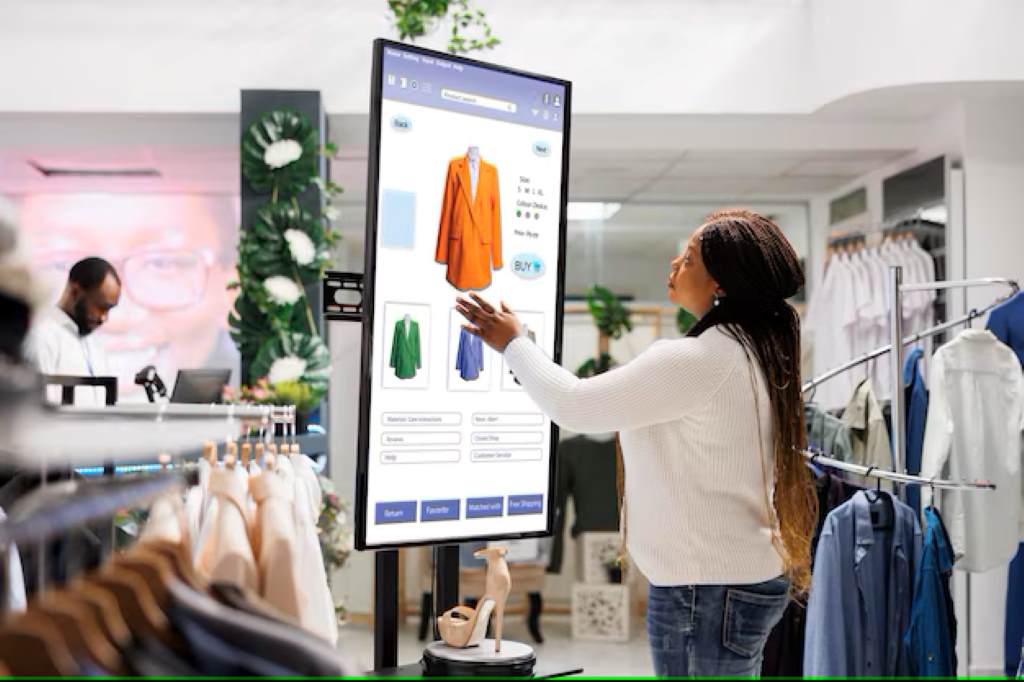
The future of smart luxury is bright, with innovations like augmented reality (AR) and blockchain shaping the industry. AR mirrors let consumers virtually try on smart garments, while blockchain ensures transparency in supply chains. These advancements will make tech-enhanced fashion more accessible and ethical.
However, affordability remains a barrier. As production scales, prices may drop, allowing more consumers to embrace smart luxury. Additionally, collaborations between tech and fashion giants will drive innovation. I envision a world where my entire wardrobe syncs seamlessly with my lifestyle, from health tracking to climate control. The potential is limitless, and the industry is just getting started.
Conclusion
Smart luxury is revolutionizing fashion by blending style, technology, and sustainability. From conductive threads to self-cleaning fabrics, tech-enhanced fashion offers unparalleled functionality. Despite challenges like cost and privacy, the industry is poised for growth, with the smart textiles market expected to soar. As consumers, we can embrace this trend by supporting innovative, eco-friendly brands. The future of smart luxury promises a wardrobe that’s not only fashionable but also intelligent. Have you tried tech-enhanced fashion yet? Share your thoughts in the comments or spread the word about this exciting trend!
FAQs
What is tech-enhanced fashion?
Tech-enhanced fashion integrates technology like sensors or conductive threads into clothing for added functionality, such as health monitoring or temperature control.
How does smart luxury promote sustainability?
Smart luxury uses durable, self-cleaning fabrics and biodegradable sensors, reducing waste and water usage compared to traditional fashion.
Are smart garments safe to wear?
Yes, most smart garments meet safety standards, but consumers should review data privacy policies to protect personal information.
What brands offer tech-enhanced fashion?
Brands like Nike, Under Armour, and Stella McCartney create tech-enhanced fashion, offering products like smart shoes and sustainable smart apparel.
Is smart luxury affordable for everyone?
Currently, high production costs make smart luxury pricey, but prices may decrease as technology scales and becomes more accessible.
Loved this article on smart luxury? Share it with friends or drop a comment below about your favorite tech-enhanced fashion trend!
 Affordable Luxury Tech Gadgets That Elevate Your Lifestyle
  Luxury Meets Innovation: Top Tech Trends in High-End Brands
  How Tech Is Transforming the Luxury Experience in 2025
  Why Choose A Homde Jewelry Box For Secure Storage?
  How To Organize With A Songmics LED Jewelry Cabinet?
  How to Assemble a Dumos Mirror Jewelry Cabinet
  How to Clean a Timex Tribute Stainless Steel Watch