
What Defines Luxury Fashion? A Deep Dive into Designer Wear
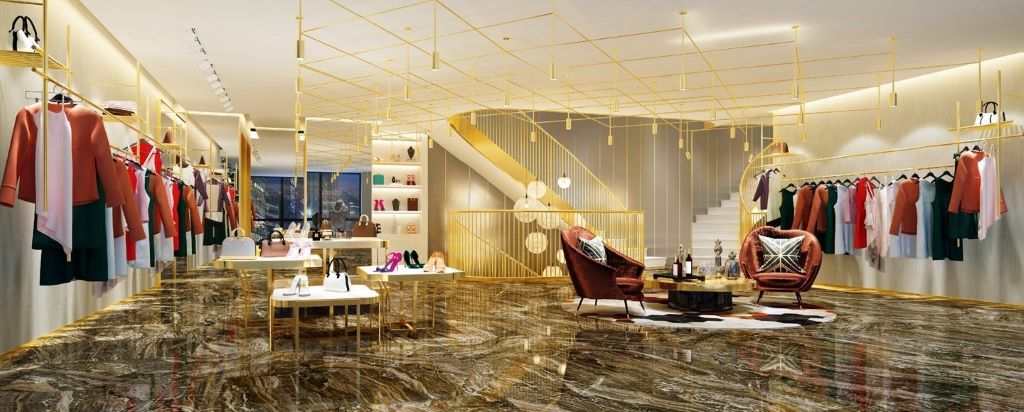
Luxury fashion has long been synonymous with exclusivity, craftsmanship, and status. But what truly defines luxury fashion? Beyond price tags and famous labels, this industry thrives on deeper values rooted in heritage, innovation, and emotional connection. This article explores these elements, weaving statistics, expert opinions, and logical analysis to reveal the essence of designer wear.
The Foundations of Luxury Fashion
Luxury fashion is often misunderstood as merely expensive clothing. However, it represents a complex combination of quality, rarity, and storytelling. According to Bain & Company, the global luxury market grew by 8% in 2023, reaching an estimated value of €330 billion. This growth indicates a strong consumer desire for more than just clothing—it’s about owning a piece of art, a symbol of identity.
Designer wear stands apart through meticulous craftsmanship. Brands such as Chanel, Hermès, and Louis Vuitton invest heavily in artisanal skills, often passed down through generations. This dedication ensures garments embody precision and uniqueness. For instance, Hermès’ iconic Birkin bags take up to 48 hours to craft, making each piece an exclusive creation.
Furthermore, materials used in luxury fashion are often sourced with an uncompromising eye for quality. Fine leather, rare silks, and sustainable exotic fabrics heighten the tactile experience. Experts argue that these tangible attributes justify the premium price. Yet, the value goes beyond materials—it’s about heritage and innovation blending seamlessly.
Emotional Value and Exclusivity
Luxury fashion triggers emotional responses linked to identity, aspiration, and social status. Consumers often associate designer wear with personal success and prestige. Psychologist Dr. Jennifer Baumgartner notes that luxury shopping can boost self-esteem and provide a sense of belonging.
Moreover, luxury brands control scarcity through limited editions or made-to-order services. This exclusivity adds intangible value. According to a McKinsey report, 48% of luxury consumers value uniqueness and craftsmanship above price. By producing limited quantities, designer labels create desirability and maintain brand mystique.
However, the industry faces challenges as younger consumers prioritize sustainability and authenticity. Brands like Stella McCartney and Gucci are redefining luxury by incorporating eco-friendly materials without compromising prestige. This shift reflects a broader cultural demand for ethical luxury.
Innovation and Technology in Designer Wear
Contrary to popular belief, luxury fashion is not stuck in tradition. Innovation plays a pivotal role in defining modern luxury. Brands integrate technology in design, production, and customer experience to stay relevant.
For example, digital fashion shows, augmented reality try-ons, and blockchain for authenticity verification are becoming standard. LVMH invested millions in tech startups to enhance customer engagement and transparency. These efforts demonstrate how innovation strengthens the core values of luxury: quality and exclusivity.
Furthermore, sustainability tech such as biodegradable fabrics and zero-waste patterns appeals to conscious consumers. This innovation challenges traditional luxury norms by merging craftsmanship with future-focused values. Thus, designer wear is evolving without losing its defining qualities.
The Role of Storytelling and Brand Heritage
A brand’s story is a critical factor in defining luxury. Consumers want to connect emotionally with brands that have rich histories and clear values. For instance, Gucci’s revival under Alessandro Michele embraced storytelling to enhance brand identity, which led to a 30% sales growth in 2021.
Narratives about founder heritage, craftsmanship, or sustainability initiatives help consumers justify their purchases. These stories transform garments into symbols of culture and lifestyle. As Forbes highlights, storytelling creates deeper customer loyalty than product features alone.
This explains why new brands, despite high quality, often struggle to reach the same luxury status. Luxury fashion is as much about narrative as it is about fabric and design.

Economic Impact and Consumer Behavior
Luxury fashion impacts economies by creating high-skilled jobs and supporting artisan communities. According to the Global Luxury Report, the industry employs over 1 million people worldwide. The demand for exclusivity sustains niche crafts like embroidery, leatherwork, and hand painting.
From a consumer perspective, luxury purchases tend to be deliberate and considered. Studies show that buyers of luxury goods seek investment pieces that retain or increase value. For example, Chanel handbags often appreciate over time, making them both status symbols and financial assets.
Additionally, the rise of resale markets reflects changing consumer attitudes. Platforms like The RealReal and Vestiaire Collective provide access to luxury at lower prices, proving that luxury fashion transcends newness and emphasizes timelessness.
Featured Snippet: What Defines Luxury Fashion? A Deep Dive into Designer Wear
Luxury fashion is defined by more than price; it is a fusion of craftsmanship, exclusivity, innovation, and storytelling. Designer wear embodies meticulous handcrafting, rare materials, and brand heritage. Emotional value and status play key roles, while modern luxury also integrates sustainability and technology. Limited availability enhances desirability, creating an exclusive experience. Thus, luxury fashion represents a lifestyle investment, rooted in culture and future-oriented values.
Expert Tips on Identifying Genuine Luxury Fashion
- Examine craftsmanship closely: Perfect stitching and high-quality materials are telltale signs.
- Research brand heritage: Authentic brands have documented histories and transparent values.
- Verify exclusivity: Limited editions or bespoke services add genuine luxury appeal.
- Prioritize sustainability: Many modern luxury brands embrace eco-friendly practices without sacrificing quality.
- Consider investment potential: Some designer pieces appreciate over time; resale platforms offer insight into market trends.
Frequently Asked Questions (FAQs)
- What sets luxury fashion apart from regular fashion?
Luxury fashion prioritizes craftsmanship, exclusivity, heritage, and premium materials, unlike mass-produced fashion. - Are luxury brands worth the high price?
Yes, due to superior quality, exclusivity, and potential investment value. - How do luxury brands maintain exclusivity?
By limiting production, offering bespoke services, and controlling distribution channels. - Is sustainable fashion considered luxury?
Increasingly yes, especially when sustainability combines with high-quality craftsmanship. - Can luxury fashion be affordable?
Secondhand luxury or outlet purchases offer access to luxury at lower prices. - What role does technology play in luxury fashion?
It enhances design, customer experience, and transparency in authenticity. - How important is brand heritage in luxury?
Crucial; it builds emotional connection and justifies premium pricing.
Final Thought
What defines luxury fashion goes far beyond expensive price tags. It encompasses timeless craftsmanship, exclusive materials, innovative design, and powerful storytelling. Luxury fashion connects emotionally with consumers, offering them status, identity, and investment value. As the industry evolves, sustainability and technology reshape its future, making designer wear not only a symbol of prestige but a reflection of conscious luxury. Understanding these layers allows consumers to appreciate luxury fashion’s true essence and make informed choices.
Read More:
Japanese Aesthetics in Luxury Jewelry Design: A Harmony of Tradition and Modernity
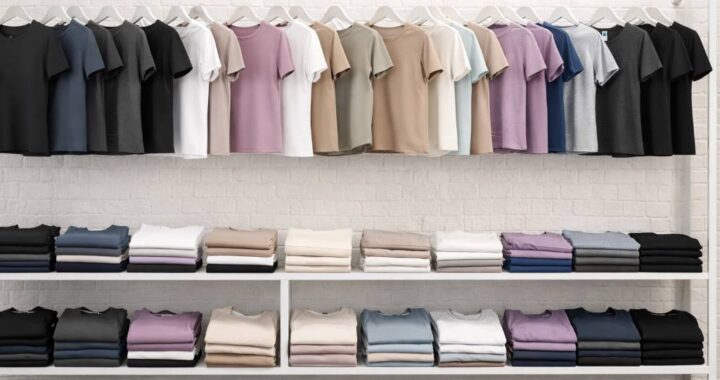 Best Exercise Tshirt Women 2026: Top Rated Breathable Gym Tees Reviewed
 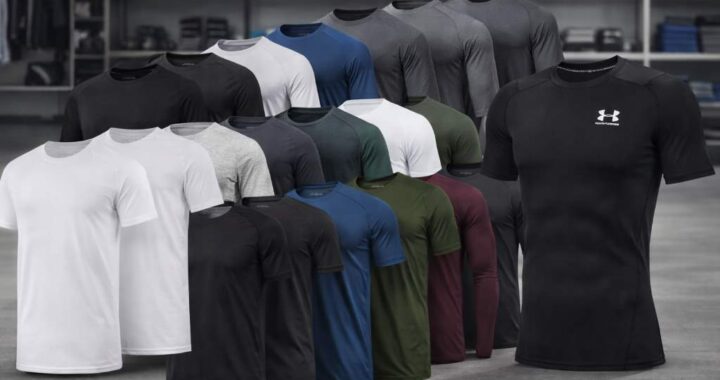 Best Exercise Tshirt Men 2026: Top Moisture-Wicking Picks That Won’t Quit
 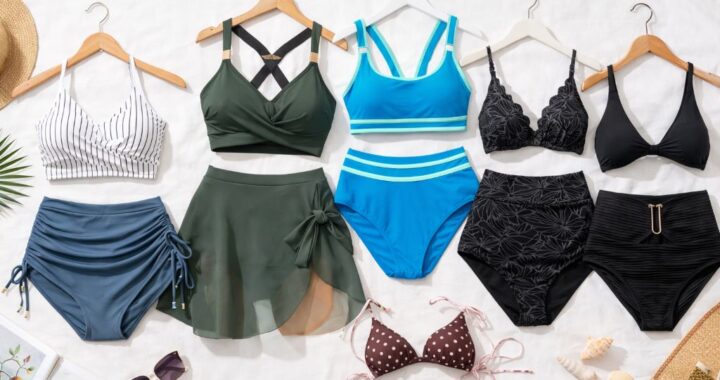 Best Bikini Sets for Women 2026: Trendy Underwire Styles You Need Now
  What Is a Wearable Blanket and Why Is Everyone Buying One?
  10 Iconic Luxury Pieces to Elevate Your Wardrobe
 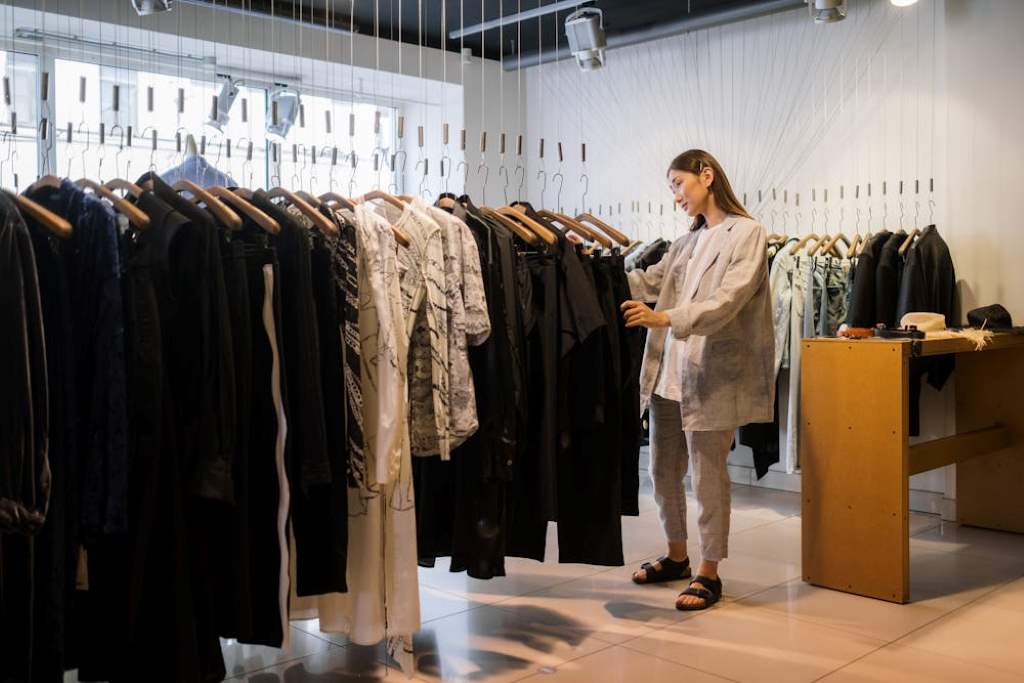 How to Shop Luxury Fashion on a Budget
  Why Choose A Homde Jewelry Box For Secure Storage?
 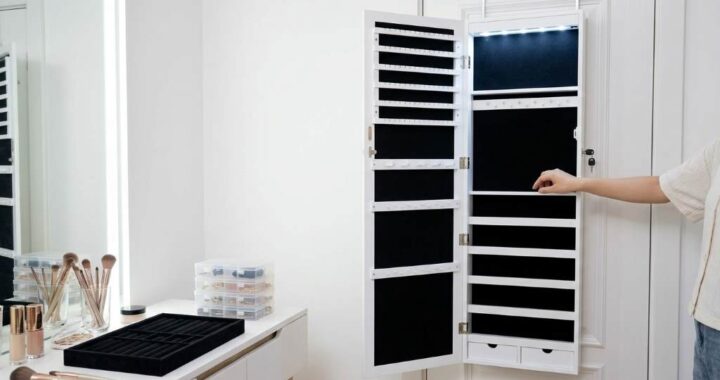 How To Organize With A Songmics LED Jewelry Cabinet?
  How to Assemble a Dumos Mirror Jewelry Cabinet
 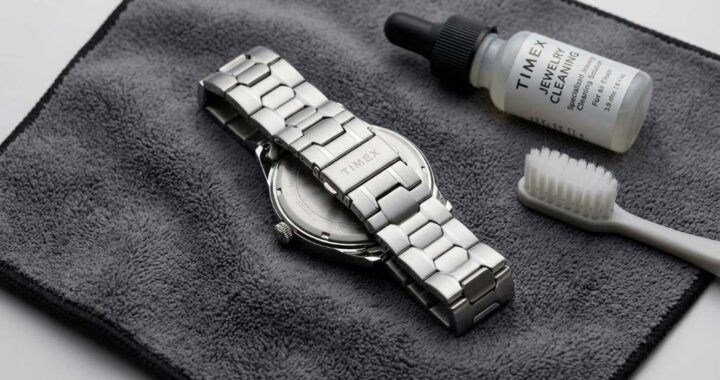 How to Clean a Timex Tribute Stainless Steel Watch