
Unlock Luxury for Less: The Ultimate Guide to Affordable Designer Alternatives

The world of high fashion exerts an undeniable pull. We’ve all scrolled through images of impeccably dressed celebrities and models, draped in exquisite fabrics and iconic designs from houses like Chanel, Gucci, or Hermès. There’s an undeniable allure to the quality, the craftsmanship, the story, and the sheer exclusivity that luxury clothing brands represent. Thanks to affordable designer alternatives , however, that same elegance and style are now more accessible than ever—offering fashion lovers the chance to emulate those coveted looks without the sky-high price tags. They promise not just clothes, but a lifestyle, a statement, an investment—just at a fraction of the cost.
However, the reality for most of us is that such investments often come with astronomical price tags that are simply beyond reach. The dream of owning a perfectly tailored Balmain blazer, a timeless Celine bag, or a pair of classic Manolo Blahnik heels can feel like just that – a dream. But what if we told you that achieving that coveted high-end aesthetic doesn’t require a lottery win or a second mortgage? What if you could curate a wardrobe that looks expensive, feels luxurious, and stands the test of time, all without breaking the bank?
Welcome to the exciting world of “affordable luxury” and “designer alternatives.” This isn’t about compromising on style or quality; it’s about smart shopping, discerning choices, and understanding where to find incredible pieces that offer a similar aesthetic and feel to their high-end counterparts, but at a fraction of the cost. In this ultimate guide, we’ll delve deep into how you can unlock luxury for less, transforming your wardrobe into a collection of stylish, sophisticated pieces that garner compliments, not debt.
Understanding “Affordable Alternatives” vs. Counterfeits: A Crucial Distinction
Before we dive into the treasure hunt, it’s absolutely vital to clarify a common misconception and draw a clear line between “designer alternatives” (often called “dupes”) and “counterfeits.” This distinction is not just about ethics but also about quality and legality.
- Counterfeits: These are illegal imitations that attempt to trick consumers by using fake logos, brand names, and copyrighted designs. They are produced unethically, often in poor working conditions, and typically use sub-par materials and shoddy craftsmanship. Purchasing counterfeits contributes to illegal activities and, frankly, you’re usually paying for a cheaply made item that will fall apart quickly and potentially get you into legal trouble if you try to resell it. Avoid them at all costs.
- Affordable Alternatives / Dupes: These are legally manufactured items that are inspired by luxury designs. They focus on replicating the aesthetic, silhouette, material feel, or overall vibe of high-end pieces without infringing on intellectual property. They are sold under their own brand names and do not feature fake logos. The beauty of a good dupe lies in its ability to offer a similar look and often a surprising level of quality at an accessible price point, allowing you to align with luxury trends without the moral or financial burden of counterfeits. Think of them as design homages rather than direct copies.
Understanding this difference is the first step to becoming a savvy and ethical fashionista. Our focus in this guide is solely on finding legitimate, high-quality alternatives that stand on their own merit.
Why the Rise of Affordable Luxury? The Driving Forces Behind the Trend
The growing popularity of designer alternatives isn’t just a fleeting trend; it’s a reflection of deeper shifts in consumer behavior and the global economy. Several factors have converged to fuel this desire for attainable elegance:
- Economic Pressures: In an era of rising inflation and increasing living costs, discretionary spending, especially on ultra-expensive items, has naturally become more scrutinized. Consumers are looking for ways to maintain their desired lifestyle and aesthetic without draining their finances.
- Changing Perceptions of Luxury: The definition of “luxury” itself is evolving. For many, it’s less about overt branding and more about quality materials, timeless design, comfort, and how a garment makes them feel. The emphasis has shifted from simply owning a prestigious label to appreciating good design and craftsmanship, regardless of the brand name.
- Sustainability Concerns: As awareness grows about the environmental impact of fast fashion, there’s a simultaneous desire for more durable, well-made pieces. While true luxury brands often tout their sustainability, their price points are prohibitive. Affordable alternatives that offer better quality and longevity than typical fast fashion, without the exorbitant cost, appeal to eco-conscious consumers.
- Social Media Influence & Democratization of Fashion: Platforms like TikTok, Instagram, and Pinterest have become hotbeds for “dupe culture.” Influencers regularly showcase side-by-side comparisons of high-end items and their affordable alternatives, highlighting how easily one can achieve a similar look. This has democratized fashion, making once-exclusive styles accessible to a broader audience and fostering a community around smart shopping.
- Accessibility for All: The rise of e-commerce and global shipping means that discovering and purchasing these alternatives is easier than ever before. You’re no longer limited to the offerings of local boutiques or department stores.
These forces combined have created a fertile ground for brands that specialize in offering high-quality, stylish, and durable pieces that capture the essence of luxury without the accompanying price tag.
What Makes an Alternative “Luxe for Less”? Key Elements to Look For
So, how do you spot a truly great affordable alternative from a sea of flimsy fast fashion? It comes down to paying close attention to specific details that often define luxury garments:
- Fabric & Material Quality: This is perhaps the most critical factor. Luxury items are defined by their superior materials. When seeking alternatives, prioritize:
- Natural Fibers: Look for cotton, linen, wool (merino, alpaca, cashmere blends), Tencel, modal, and silk blends. These materials drape better, feel more luxurious against the skin, and are generally more durable than cheap synthetics.
- Weight and Hand-feel: A garment that feels substantial and smooth to the touch often indicates better quality.
- Avoid: Thin, shiny polyester, flimsy rayon, or scratchy acrylic if you’re aiming for a luxurious feel.
- Construction & Finish: The way a garment is put together speaks volumes.
- Stitching: Look for neat, even, and consistent stitching. No loose threads or crooked seams.
- Seams: Well-finished seams (e.g., French seams, bound seams) indicate attention to detail and durability.
- Lining: A good quality lining, especially in blazers, coats, or dresses, adds structure, comfort, and a polished finish.
- Hardware: Buttons, zippers, buckles, and clasps should feel substantial, not flimsy or cheap. Metal hardware should be smooth and evenly colored.
- Timeless Design & Silhouette: Luxury fashion often leans into classic, enduring designs.
- Clean Lines: Minimalist designs with sharp, clean lines tend to look more expensive and sophisticated.
- Classic Cuts: Think well-tailored blazers, straight-leg trousers, simple shift dresses, or classic trench coats. These silhouettes transcend fleeting trends.
- Proportions: Pay attention to how the garment’s proportions flatter the body, even if it’s an oversized style.
- Color Palette: The colors you choose can significantly impact how expensive an outfit looks.
- Neutrals: Black, white, cream, beige, camel, navy, and charcoal gray instantly elevate a look.
- Rich, Deep Hues: Emerald green, sapphire blue, burgundy, and deep chocolate brown can also convey luxury.
- Avoid: Garish or overly bright colors, unless they are part of a sophisticated, intentional color-blocking scheme.
Where to Hunt for Your Affordable Luxury Finds: Smart Shopping Strategies

Armed with the knowledge of what to look for, the next step is knowing where to look. The world is your oyster when it comes to finding affordable designer alternatives:
-
Fast Fashion Retailers (with a Discerning Eye):
- Zara, H&M, Mango, COS: These brands are known for their rapid adaptation of runway trends. While their overall quality can be hit-or-miss, they often have “premium” or “higher quality” collections that use better fabrics (e.g., wool blends, linen blends, some silk). You need to be selective, checking fabric compositions and construction carefully. Zara and Mango are particularly good for tailored pieces like blazers and trousers that mimic designer silhouettes. COS excels in minimalist designs and quality basics.
-
Mid-Range Brands Focusing on Quality Basics & Accessible Luxury:
- Uniqlo: A powerhouse for elevated basics. Their cashmere, merino wool, and supima cotton pieces offer incredible value and are staples for building a “quiet luxury” wardrobe.
- Quince: This direct-to-consumer brand has built its reputation on providing luxury-grade materials (Mongolian cashmere, mulberry silk, Italian leather) at surprisingly affordable prices by cutting out middlemen. They are a go-to for wardrobe essentials that feel truly expensive.
- Everlane, J.Crew, Madewell: These brands consistently offer well-made essentials and classic American styles. Keep an eye out for their sales, which can bring prices down significantly.
- Charles & Keith: Excellent for stylish and well-constructed handbags and shoes that often echo designer trends without the hefty price tag.
- Sam Edelman, Steve Madden: Known for fashionable footwear that often draws inspiration from high-end shoe designs, offering comfort and style at a more accessible price.
-
Online Marketplaces & Dedicated “Dupe” Sites:
- Amazon & AliExpress (with caution): While a vast ocean of products, you can find hidden gems here. However, rigorous research, reading reviews (especially with photos), and understanding return policies are crucial. Search terms like “designer inspired,” “minimalist jacket,” or “classic tote” can yield results.
- Dedicated Dupe-focused Blogs & Apps: Many fashion bloggers and apps specialize in curating and linking to designer alternatives. A quick Google search for “[Designer Name] dupe” or “best dupes for [item]” will often lead you to these resources.
-
Thrift Stores & Consignment Shops:
- The Ultimate Treasure Hunt: Secondhand shopping is arguably the most sustainable and budget-friendly way to find unique, high-quality pieces. With patience, you can unearth genuine vintage designer items or beautifully made garments from lesser-known but quality brands.
- Online Resale Platforms: Sites like The RealReal, Poshmark, Depop, Vestiaire Collective, and eBay are excellent for finding pre-owned luxury or high-quality contemporary brands at a fraction of their original retail price. Be sure to verify authenticity when purchasing designer items.
-
Outlet Stores & Sales Events:
- Many “accessible luxury” brands (e.g., Coach, Michael Kors, Tory Burch, Kate Spade) have dedicated outlet stores that offer their products at discounted prices. While some items might be specifically made for outlets (and thus slightly lower quality), you can still find great deals.
- Keep an eye out for major sales events like Black Friday, Cyber Monday, end-of-season clearances, and mid-season promotions. Signing up for email lists of your favorite brands can give you early access to sales.
Specific Wardrobe Staples: Getting That Luxe Look for Less
Let’s look at some key wardrobe pieces where you can easily find fantastic affordable alternatives:
- The Tailored Blazer: A well-cut blazer instantly elevates any outfit. Look for structured shoulders, a good lining, and quality buttons. Zara, Mango, and COS often have excellent options in wool blends or substantial poly blends that hold their shape. Brands like Quince also offer tailored blazers with a luxurious feel.
- The Classic Crossbody Bag: Clean lines, minimal hardware, and a durable material (even if it’s high-quality faux leather) can make a bag look incredibly chic. Charles & Keith, Sam Edelman, and even some higher-end pieces from fast fashion retailers like H&M can offer a similar aesthetic to popular luxury brands like Celine or Loewe. Quince’s leather bags are a standout for genuine leather at a great price.
- Elegant Knitwear: Think soft cashmere or merino wool sweaters. Uniqlo and Quince are champions here, offering excellent quality for the price. Marks & Spencer (M&S) can also be a good source for comfortable and chic knitwear.
- Chic Footwear: Slingback heels, classic loafers, or minimalist sneakers can be found from brands like Sam Edelman, Steve Madden, or even Zara and ASOS. Focus on timeless shapes, comfortable fit, and good material feel. A pointed toe on a heel or a clean, simple silhouette on a sneaker often screams “luxury.”
- Statement Accessories (Sunglasses & Jewelry): Oversized cat-eye sunglasses or delicate gold-plated jewelry can transform an outfit. Look for classic shapes in sunglasses (e.g., wayfarers, aviators, oversized square frames) from non-designer brands. For jewelry, focus on simple, classic designs in good quality gold plating or sterling silver. Minimalist designs tend to look more expensive than overly ornate ones.
Smart Shopping Tips for the Savvy Fashionista
To truly master the art of affordable luxury, embrace these smart shopping habits:
- Do Your Research: Before buying, especially online, read reviews, check fabric compositions, and consult sizing guides. Look for real customer photos.
- Focus on Versatility: Choose pieces that can be mixed and matched to create multiple outfits. A versatile item has a lower cost-per-wear and more impact in your wardrobe.
- Invest in Basics: A strong foundation of high-quality basics (like well-fitting jeans, classic white t-shirts, black trousers, and versatile knitwear) makes any outfit look more polished, regardless of the statement pieces you pair with them.
- Consider the Cost Per Wear (CPW): Instead of just looking at the price tag, think about how many times you’ll wear an item. A slightly more expensive but durable garment that you wear frequently will have a lower CPW than a cheap, trendy item you wear once or twice.
- Accessorize Strategically: Sometimes, all it takes is a high-quality-looking belt, a silk scarf, or a pair of elegant earrings to elevate a basic outfit from ordinary to luxurious.
- Pay Attention to Fit: Even the most expensive designer piece won’t look good if it doesn’t fit properly. Consider investing a small amount in tailoring for pieces that are almost perfect. A well-fitting garment always looks more expensive.
- Care for Your Clothes: Proper care extends the life and maintains the “luxe” appearance of your garments. Follow washing instructions, store clothes correctly, and repair minor damage promptly.
Japanese Aesthetics in Luxury Jewelry Design: A Harmony of Tradition and Modernity
Conclusion: Style is About What You Wear, Not the Price Tag
The dream of a luxurious wardrobe is no longer exclusive to the elite. By understanding the distinction between legitimate alternatives and illegal counterfeits, knowing what elements define true quality, and employing smart shopping strategies, you can curate a wardrobe that looks effortlessly chic and undeniably expensive, all while staying within your budget.
True style emanates from confidence, smart choices, and an appreciation for quality and design, not just a brand name. Embrace the world of affordable luxury, and empower yourself to build a wardrobe that not only reflects your sophisticated taste but also respects your financial goals. You can have the high-end look and feel without the high-end budget. Happy hunting!
Read More:
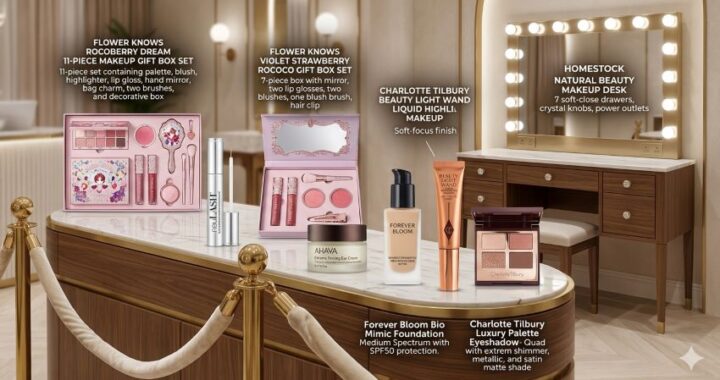 Best Affordable Skincare & Makeup in New York: Which One Makes a Real Difference?
 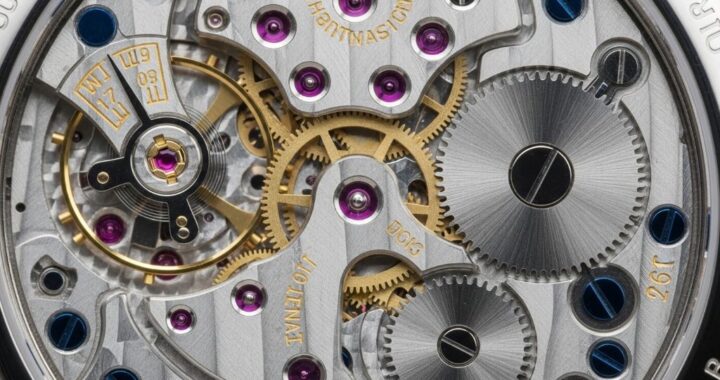 How to Buy Luxury Watches Smartly Without Overpaying for Brand Hype
  Under-the-Radar Luxury Gifts Women Secretly Want
  Gourmet Meals on a Budget: Luxury Dining at Home
  How to Create a Spa-Like Experience at Home on a Budget
  Japanese Aesthetics in Luxury Jewelry Design: A Harmony of Tradition and Modernity
  Why Choose A Homde Jewelry Box For Secure Storage?
 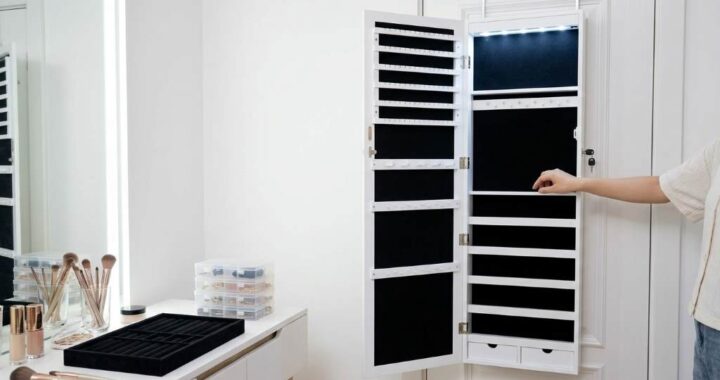 How To Organize With A Songmics LED Jewelry Cabinet?
  How to Assemble a Dumos Mirror Jewelry Cabinet
 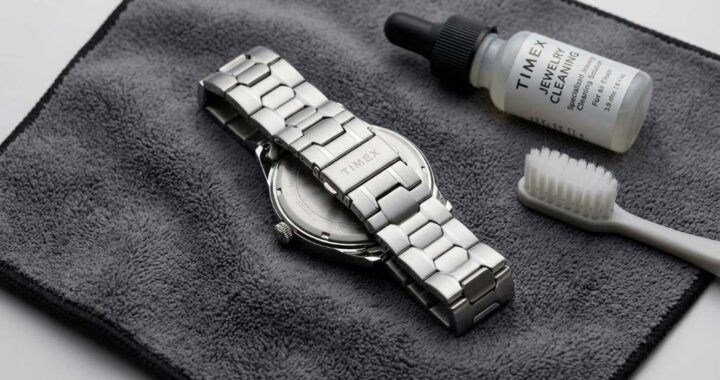 How to Clean a Timex Tribute Stainless Steel Watch