
How to Compare a Luxury Raffia Bag vs Straw Designer Bags
Natural fiber bags have dominated luxury fashion runways for several seasons. Raffia and straw bags both offer summery elegance and sustainable appeal. However, these materials differ significantly in texture, durability, and price points. Understanding these differences helps shoppers make informed investment decisions.
Understanding Raffia Material
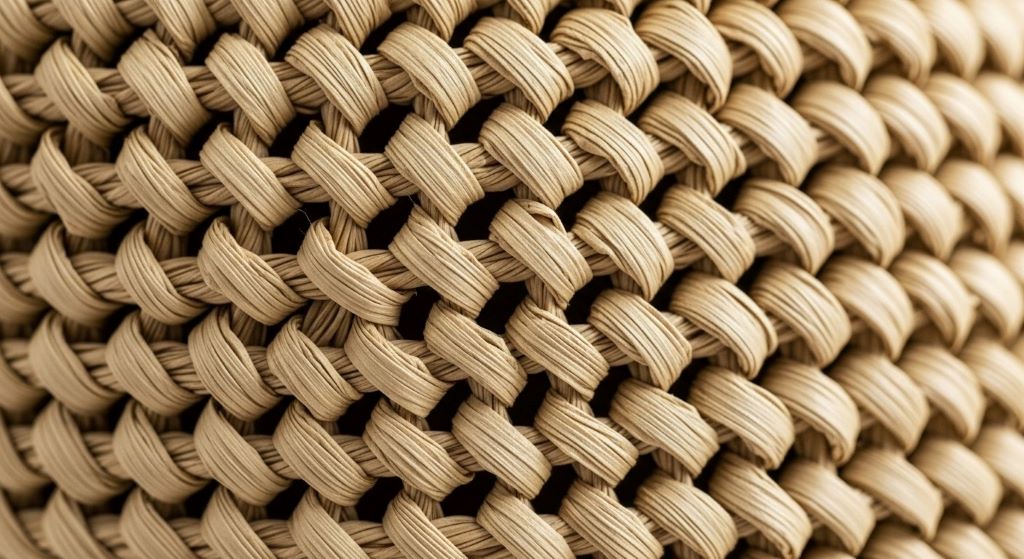
Raffia comes from the raffia palm tree native to Madagascar and other tropical regions. Manufacturers harvest the palm’s leaves and dry them into long, pliable fibers. These fibers can be woven, crocheted, or braided into various bag styles.
The material feels softer and more refined than traditional straw. Additionally, raffia accepts dye treatments better, allowing designers to create colored versions. Natural raffia displays a subtle sheen that elevates its appearance beyond basic straw.
Luxury brands favor raffia for its workability and premium texture. Therefore, high-end designers can incorporate intricate weaving patterns and detailed embellishments. The material also maintains its shape better than loosely woven straw.
Characteristics of Straw Designer Bags
Straw encompasses various plant materials including wheat, seagrass, and bamboo. Each straw type creates different textures and structural qualities. Designers select specific straw varieties based on desired aesthetics and functionality.
Wheat straw produces the most delicate and lightweight bags. Seagrass offers durability with a rougher texture. Meanwhile, bamboo creates sturdy structures suitable for larger tote designs.
Straw bags typically feature a more casual, beachy appearance than raffia. The material’s natural variations create rustic charm that appeals to resort wear enthusiasts. However, premium designer straw bags elevate this casual material through expert craftsmanship.
Texture and Feel Comparison
Raffia feels smoother against skin and clothing than most straw varieties. The fibers are softer and less likely to snag delicate fabrics. This smoothness makes raffia bags suitable for both casual and semi-formal occasions.
Straw textures vary considerably depending on the plant source. Wheat straw feels relatively smooth, while seagrass can be quite rough. Therefore, examining the specific straw type is essential before purchasing.
The tactile difference becomes particularly noticeable when carrying bags against bare shoulders. Raffia causes minimal irritation, whereas rougher straw varieties may feel scratchy. Additionally, raffia bags generally require less interior lining for comfort.
Durability and Longevity
Raffia demonstrates superior durability compared to most straw options. The palm fibers resist breaking and maintain structural integrity through regular use. Properly cared for raffia bags can last multiple seasons without significant deterioration.
Straw bags vary in longevity based on construction quality and material type. Loosely woven wheat straw bags may show wear after one summer season. However, tightly woven seagrass or bamboo structures withstand extended use.
Both materials are susceptible to moisture damage. Therefore, neither option suits rainy climates or beach days involving water exposure. Storage in dry conditions extends the lifespan of both raffia and straw bags significantly.
Design Versatility and Styling Options
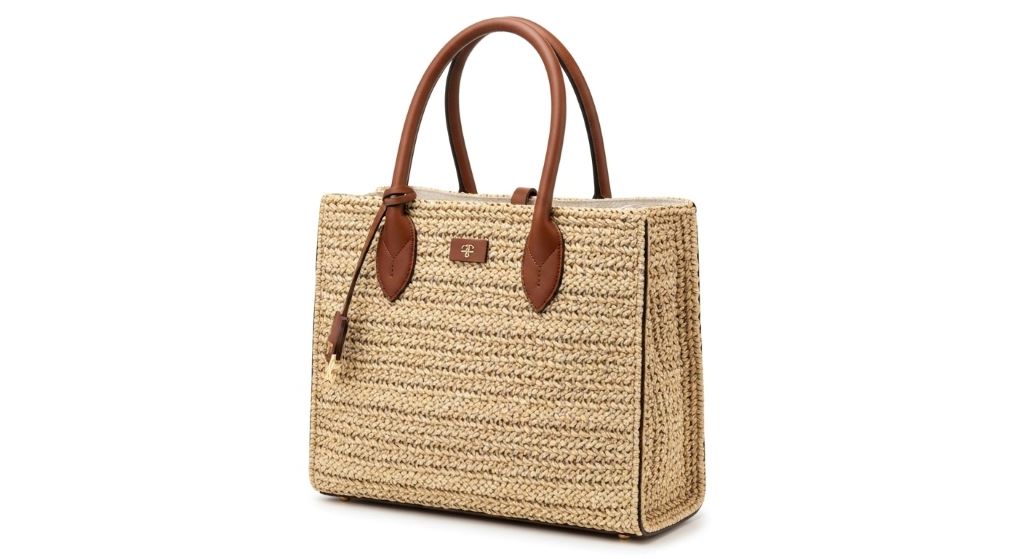
Raffia offers greater design flexibility for luxury brands. The material can be tightly woven for structured silhouettes or loosely crocheted for bohemian styles. Designers also combine raffia with leather trim, chain straps, and metal hardware.
According to Vogue, luxury brands like Loewe, Bottega Veneta, and Prada have elevated raffia into high-fashion territory with innovative designs.
Straw bags traditionally feature more casual, basket-style constructions. Nevertheless, contemporary designers now create sophisticated straw pieces with architectural shapes. Structured straw bags with leather handles blur the line between casual and refined.
Color options differ significantly between these materials. Raffia readily accepts dye, enabling designers to offer bags in various hues beyond natural tones. Straw typically remains in its natural color spectrum, ranging from pale wheat to deep brown.
Price Point Analysis
Luxury raffia bags generally command higher prices than comparable straw designs. Designer raffia bags from established fashion houses range from $400 to $2,000. The premium reflects raffia’s superior texture, durability, and fashion cachet.
High-end straw bags typically cost between $200 and $800. However, exceptional artisan-made straw pieces can exceed $1,000. The price variation depends on construction complexity and brand prestige.
Mid-range raffia options from contemporary brands offer quality alternatives at $150 to $400. Similarly, well-made straw bags from reputable brands provide excellent value at $100 to $300. Therefore, both materials are accessible across various price points.
Care and Maintenance Requirements
Raffia bags require gentle cleaning with a soft, dry cloth. Spot cleaning works for minor stains using barely damp fabric. Additionally, storing raffia bags stuffed with tissue paper maintains their shape during off-seasons.
Avoid exposing raffia to direct sunlight for extended periods. The natural fibers can fade or become brittle with excessive sun exposure. Moreover, keeping raffia away from moisture prevents mold growth and fiber deterioration.
Straw bags need similar care with emphasis on dryness. Use a soft brush to remove dust and debris from woven crevices. However, straw is generally more forgiving of minor environmental exposure than raffia.
Both materials benefit from protective storage bags when not in use. Cedar sachets help repel insects that may damage natural fibers. Therefore, proper storage significantly extends the usable life of these investment pieces.
Weight and Portability Considerations
Raffia bags typically weigh less than comparably sized straw bags. The lighter weight makes raffia comfortable for extended wear during shopping trips or events. Additionally, raffia’s flexibility allows bags to compress slightly in luggage without permanent damage.
Straw bags, particularly those made from bamboo or thick seagrass, can be surprisingly heavy. The rigid construction adds weight that becomes noticeable during all-day wear. However, this substantial feel conveys quality and durability.
For travel purposes, raffia generally packs more easily than structured straw. The softer material tolerates gentle folding without cracking. Meanwhile, rigid straw bags require careful packing to prevent structural damage.
Sustainability and Environmental Impact
Both raffia and straw qualify as sustainable materials when responsibly sourced. Raffia palms regenerate quickly, making them renewable resources. The harvesting process doesn’t harm the palm trees, allowing continued growth.
Straw utilizes agricultural byproducts that would otherwise be discarded. Wheat straw comes from grain production waste. Therefore, using these materials reduces agricultural waste and supports circular economy principles.
According to Harper’s Bazaar, natural fiber bags represent conscious fashion choices that align with environmental values.
However, manufacturing processes affect overall sustainability. Hand-woven bags generally have lower environmental footprints than mass-produced alternatives. Additionally, bags made by fair-trade artisans support sustainable livelihoods.
Seasonal Versatility
Raffia bags transition more easily between seasons than traditional straw. Darker dyed raffia works for early autumn alongside leather jackets and boots. The refined texture doesn’t appear out of place in transitional weather.
Straw bags remain primarily summer accessories in most fashion contexts. The beachy aesthetic feels incongruous with fall and winter wardrobes. Nevertheless, fashion-forward individuals successfully style straw year-round in warmer climates.
Interior spaces also influence seasonal appropriateness. Raffia bags work for indoor events, restaurants, and shopping throughout warmer months. Conversely, straw bags feel most appropriate for outdoor settings and resort destinations.
Brand Prestige and Fashion Status
Luxury fashion houses have elevated raffia to premium status in recent collections. Brands like Celine, Loewe, and Bottega Veneta feature raffia prominently in their seasonal offerings. Therefore, raffia carries stronger associations with high fashion.
Straw bags, while increasingly sophisticated, retain stronger connections to artisan and bohemian aesthetics. Designer straw bags command respect but lack raffia’s current fashion moment. However, fashion trends shift regularly, affecting material desirability.
Both materials now appear in luxury collections, indicating their acceptance in high fashion. The distinction lies more in execution and branding than inherent material value. Therefore, choosing between them depends on personal style preferences rather than status alone.
Making Your Decision
Consider your lifestyle and wardrobe needs before selecting between raffia and straw. Raffia suits those seeking versatile bags for various occasions and longer wear periods. The material’s refinement justifies higher investment for quality pieces.
Straw appeals to shoppers prioritizing casual elegance and artisan craftsmanship. The material’s natural variations create unique character in each bag. Additionally, straw offers excellent value for seasonal accessory rotations.
Climate plays a crucial role in material selection. Dry climates favor both materials, while humid environments challenge their longevity. Therefore, consider local weather patterns when investing in natural fiber bags.
Budget constraints also influence material choice. Quality raffia bags require larger investments but offer extended use. Meanwhile, well-made straw bags provide accessible entry into natural fiber luxury.
Conclusion
Raffia and straw designer bags each offer distinct advantages for fashion-conscious consumers. Raffia provides superior softness, durability, and design versatility, justifying higher price points. Straw delivers casual elegance with artisan appeal at more accessible costs. Both materials support sustainable fashion choices when responsibly sourced. Therefore, the ideal choice depends on individual style preferences, budget considerations, and intended use. Understanding these material differences ensures informed purchasing decisions that align with personal needs and values.
Frequently Asked Questions
Which lasts longer, a raffia bag or a straw bag?
Raffia bags generally last longer than straw bags due to stronger, more flexible fibers that resist breaking. With proper care, quality raffia bags maintain their structure for 3-5 years, while straw bags typically last 1-3 seasons depending on construction quality.
Can you use raffia and straw bags in the rain?
Neither raffia nor straw bags should be used in rain. Both natural materials absorb moisture, leading to warping, mold growth, and structural damage. Always check weather forecasts and choose alternative bags for rainy days.
Are designer raffia bags worth the higher price compared to straw?
Designer raffia bags justify higher prices through superior durability, refined texture, and greater styling versatility. However, quality straw bags offer excellent value for seasonal use. The worthiness depends on usage frequency and wardrobe integration needs.
How do you clean a straw or raffia designer bag?
Clean both materials with a soft, dry cloth for regular maintenance. For raffia, use barely damp fabric for spot cleaning. For straw, use a soft brush to remove debris from woven areas. Never submerge either material in water.
Can raffia bags be worn year-round or only in summer?
Raffia bags work beyond summer, especially in darker colors or neutral tones. They pair well with transitional fall outfits in warm climates. However, straw bags remain primarily summer accessories due to their beachy aesthetic and lighter natural tones.
Related Topics:
Do Louis Vuitton Bags Have Serial Numbers? The Ultimate Guide to Authenticating Your Luxury Bag
Beyond the Basics: An In-Depth Guide to Handbag Types for Every Occasion
 How to Choose the Right Gym Duffel Bag for Your Fitness Needs
  How to Choose the Best Gym Bags for Style and Functionality
  Best Affordable Gym Duffel Bags 2026 — The One Feature Most Buyers Regret Ignoring
  Best Affordable Diaper Bag Backpack 2026 — Best Pick for Parents Before You Order
  Top Picks: Best Crossbody Bags of 2026 in Budget for Everyday Style
  Best Affordable Duffel Bags 2026: Sports, Travel & Gym Weekender Picks
  Why Choose A Homde Jewelry Box For Secure Storage?
  How To Organize With A Songmics LED Jewelry Cabinet?
  How to Assemble a Dumos Mirror Jewelry Cabinet
 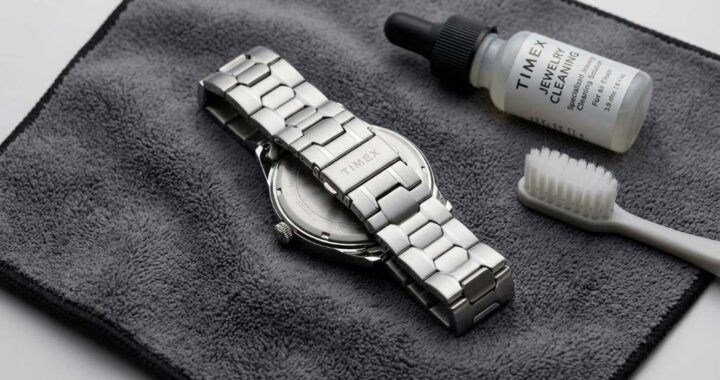 How to Clean a Timex Tribute Stainless Steel Watch