
Guide to Safely Warming Massage Oil in a Towel Warmer Spa Cabinet
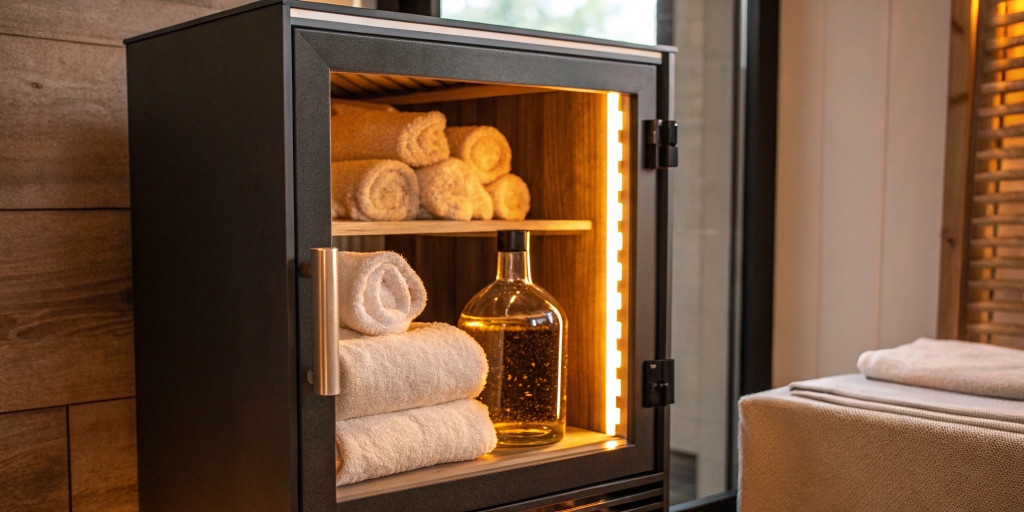
Warm massage oil turns a simple treatment into a deeply relaxing experience. Clients feel more comfortable, muscles loosen faster, and therapists work with better flow. Research published by the National Center for Complementary and Integrative Health shows that massage therapy can reduce pain and anxiety for many people. In addition, a survey by the American Massage Therapy Association reports that over sixty percent of clients prefer warmed products during sessions for improved comfort. Therefore, learning the right way to warm oils inside a towel warmer spa cabinet matters for both safety and results. This guide explains practical steps, best practices, and expert tips so you can warm massage oil effectively without risking burns, contamination, or equipment damage. We suggest visiting the laser hair removal in midtown Manhattan.
Why Warm Massage Oil Matters in Spa Therapy
Warmed oil improves treatment quality and client satisfaction. However, therapists must use controlled heating methods to avoid skin irritation or product degradation.
Benefits for Clients
Warm oil enhances relaxation and reduces the shock of cold contact on skin. As a result, muscles respond faster to manipulation.
Key benefits include:
• Better muscle relaxation and circulation
• Increased absorption of nutrients and essential oils
• Improved comfort for sensitive clients
• Enhanced aromatherapy experience
• More luxurious spa perception
Benefits for Therapists
Professionals also gain advantages during sessions.
These include:
• Easier glide and reduced friction
• Less strain on hands and wrists
• Consistent treatment rhythm
• More efficient therapy outcomes
Consequently, many spas rely on towel warmer cabinets as a safe and convenient warming solution.
Understanding Towel Warmer Spa Cabinets
Before warming the massage oil, it helps to understand how these cabinets function.
How Towel Warmers Work
A towel warmer spa cabinet uses gentle dry heat to maintain a controlled temperature. Most units operate between forty five and seventy degrees Celsius, which is ideal for towelforty-five heat-resistant containers. Visit the best anti aging facial in midtown Manhattan to get the best care for anti-aging.
The cabinet warms items through:
• Internal heating elements
• Insulated walls that retain warmth
• Moisture retention from heated towels
• Even heat distribution through air circulation
Therefore, this environment can warm massage oil gradually when stored in safe containers.
Why Use a Towel Warmer for Oil
Many therapists prefer towel warmers because they offer indirect heating. Unlike microwaves or hot water baths, cabinets reduce overheating risks and preserve oil quality.
Advantages include:
• Consistent gentle warmth
• Reduced contamination risk
• Multi-purpose spa equipment
• Easy integration into workflow
However, therapists must follow safety guidelines to prevent overheating and spills.
Safety Considerations Before Warming Massage Oil
Safety should guide every warming method. Improper heating can lead to burns, degraded oils, or equipment damage.
Check Oil Type and Heat Sensitivity
Not all oils tolerate heat equally. Carrier oils usually handle gentle warmth, while delicate essential oils may lose therapeutic properties.
Heat-tolerant oils include:
• Sweet almond oil
• Coconut oil
• Jojoba oil
• Grapeseed oil
Sensitive oils include:
• Rosehip oil
• Flaxseed oil
• Some essential oils with volatile compounds
Therefore, always review manufacturer guidance and blend formulations before warming.
Use Heat Safe Containers
A towel warmer cannot safely heat open bottles or plastic containers that melt easily. Instead, use durable, sealed containers.
Recommended container options:
• Glass pump bottles with heat resistance
• Stainless steel bottles
• Silicone spa containers
• Professional oil warmer bottles
Avoid thin plastic or disposable packaging since heat may release harmful chemicals.
Monitor Temperature Range
Skin safe oil temperature typically falls between thirty eight and forty three degrees Celsius. Anything hotter inthirty-eight risk.
To maintain a safe temperature:
• Use a spa thermometer
• Test oil on inner wrist before application
• Allow cooling time if oil feels too hot
Consequently, temperature awareness protects both therapist and client.
Step by Step Guide to Safely Warming Massage Oil in a Towel WarmStep-by-Step
This section outlines a practical method professionals can follow in daily spa routines.
Step One Prepare the Oil Bottle
Start by selecting a clean and sealed bottle. Ensure the pump or lid remains tightly closed to prevent moisture contamination.
Preparation checklist:
• Clean exterior of bottle
• Confirm leak-proof seal
• Label oil blend and preparation date
• Remove any plastic wrapping
Step Two Wrap Bottle in a Towel
Wrapping the oil bottle creates an insul:ating the bottlethat prevents direct heat exposure. Moreover, it mimics natural warming rather than intense heating.
Best wrapping approach:
• Use a dry or slightly warm towel
• Wrap bottle fully but not too tightly
• Leave the pump accessible if needed
Step Three Place Inside Cabinet Strategically
Position the wrapped bottle in a stable location within the cabinet. Avoid stacking heavy towels on top to prevent tipping.
Placement tips:
• Keep bottle upright
• Avoid direct contact with heating element
• Allow airflow around bottle
Step Four Warm for the Controlled Duration
Warming time depends on cabinet temperature and bottle size. Generally, fifteen to thirty minutes provides gentle heat without overheating.
Monitoring tips:
• Check oil temperature every ten minutes
• Adjust warming time based on session schedule
• Remove bottle once target warmth is reached
Step Five Test Before Application
Before using it on a client, test a small amount on your wrist. This ensures comfort and prevents burns.
Testing method:
• Pump small oil drop
• Wait few seconds for temperature perception
• Adjust cooling time if needed
Following these steps ensures safe and effective warming.
Best Practices for Maintaining Oil Quality
Heat can affect oil composition if not handled carefully. Therefore, therapists must preserve freshness and therapeutic benefits.
Avoid Repeated Heating Cycles
Repeated heating and cooling can oxidize oils and reduce shelf life. Instead, warm only the amount needed for each session.
Store Oils Properly After Use
Proper storage maintains product integrity and safety.
Storage guidelines:
• Keep bottles in cool dark place
• Close lids tightly
• Label preparation and opening, dates
• Avoid exposure to sunlight and air
Choose High Quality Oils
Premium oils resist degradation better than low quality products. Additionally, organic and cold pressed oillow-qualityain therapeutic properties after gentle warming.
Hygiene and Infection Control in Spa Settings
Warming oil inside towel warmers requires strict hygiene standards to protect clients.
Prevent Cross Contamination
Use separate bottles for each treatment room when possible. Furthermore, avoid touching pump with oily hands that contact skin.
Hygiene practices:
• Sanitize hands before handling bottle
• Clean bottle exterior daily
• Use a disposable pump cover if needed
• Avoid dipping fingers into containers
Maintain Cabinet Cleanliness
A clean towel warmer reduces bacterial growth and odor buildup.
Cleaning routine:
• Wipe interior weekly
• Dry cabinet after cleaning
• Replace towels regularly
• Follow manufacturer sanitation instructions
Common Mistakes to Avoid
Many therapists unintentionally compromise safety when warming massage oil. Recognizing mistakes helps prevent accidents.
Typical errors include:
• Heating oil in open containers
• Overcrowding cabinet with bottles
• Ignoring temperature checks
• Using the microwave as a backup method
• Leaving oil in cabinet overnight
Avoiding these mistakes protects equipment and ensures consistent therapy quality.
Comparing Alternative Oil Warming Methods
Although towel warmers are popular, other warming methods exist. Understanding differences helps professionals choose wisely.
Oil Bottle Warmers
Dedicated bottle warmers provide direct controlled heat. They offer faster warming but require additional equipment.
Pros:
• Precise temperature control
• Quick heating
• Compact design
Cons:
• Limited capacity
• Additional maintenance
Hot Water Bath Method
Placing sealed bottle in warm water provides gentle heating. However, moa isture contamination risk increases.
Pros:
• Simple method
• Accessible in most spas
Cons:
• Potential leaks
• Temperature inconsistency
Microwave Heating
Microwave heating is fast but risky. Uneven heat distribution may cause hot spots and burns.
Therefore, many professionals avoid this method.
Compared with these options, towel warmers offer balanced safety and convenience.
Expert Tips for Enhancing Client Experience
Warmed oil contributes to memorable spa treatments. Small adjustments elevate the overall experience.
Combine Warm Oil with Aromatherapy
Adding safe essential oils enhances relaxation. However, therapists must maintain proper dilution and heat sensitivity awareness.
Use Warm Towels with Oil Application
Applying warm towels before or after oil massage deepens muscle relaxation and enhances absorption.
Can communicate with Clients
Ask clients about temperature comfort before application. Personalization improves trust and satisfaction.
Maintain Consistent Warmth Throughout Session
If the session is long, return bottle to cabinet briefly between applications to maintain tempethe rature.
Cathe’s Example from Spa Practice
A mid-sized wellness spa integrated a towel warmer oil warming into their workflow. Therapists reported smoother sessions and fewer interruptions compared with microwave warming. Client feedback highlighted increased comfort and perceived luxury. Additionally, staff noticed improved hygiene since bottles remained sealed and protected. This example shows how simple workflow adjustments can elevate service quality.
Choosing the Right Towel Warmer for Oil Warming
Not every towel warmer suits oil warming needs. Professionals should consider several factors.
Key selection criteria:
• Stable temperature range
• Adequate interior space
• Easy cleaning surfaces
• Safety certifications
• Reliable insulation
While towel warmers primarily serve towels, these features ensure safe secondary use for oil warming.
Environmental and Energy Considerations
Spas increasingly prioritize sustainability. Therefore, efficient warming practices reduce energy waste.
Eco-friendly tips:
• Warm oils only when needed
• Avoid prolonged idle heating
• Use energy-efficient cabinets
• Schedule warming during active treatment hours
These practices lower operational impact while maintaining service quality.
Troubleshooting Oil Warming Issues
Even with proper methods, therapists may encounter challenges.
Oil Too Hot
If oil becomes overly warm:
• Remove the bottle immediately
• Allow cooling for a few minutes
• Adjust warming time for next session
Oil Not Warm Enough
When oil remains cool:
• Increase warming duration slightly
• Check cabinet temperature accuracy
• Use thicker towel wrap for insulation
Moisture Around Bottle
Moistura e indicates towel dampness or cabinet humidity. Dry bottle and use dry towel wrap to prevent contamination.
Conclusithe on
Warming massaged oil in a toit wel warmer spa cabinet offers a safe and effective method when done correctly. Gentle heat enhances client comfort, improves therapist workflow, and elevates treatment quality. However, safety remains essential. Using heat-safe containers, monitoring temperature, and following hygiene standards prevent accidents and preserve oil integrity. Additionally, wrapping bottles and controlling warming duration ensure consistent results. By adopting these practices, therapists can create luxurious experiences while maintaining professional safety standards. Start implementing these steps today to transform your massage sessions with perfectly warmed oil and improved client satisfaction. Finally, we recommended the best facials in midtown Manhattan and the best manicure in midtown Manhattan to know more details.
FAQs
How long should I warm massage oil in a towel warmer
Most oils warm safely within fifteen to thirty minutes depending on cabinet temperature and bottle size. Regular temperature checks ensure safe warmth.
Can I place oil directly inside the cabinet without wrapping
Wrapping the bottle in a towel provides insulation and prevents overheating. Direct placement increases heat exposure and potential burns.
What temperature is safe for warmed massage oil
Skin safe oil temperature ranges between thirty eight and forty three degrees Celsius. Always test oil bethirty-eightg to clients.
Is it safe to warm essential oil blends in towel warmers
Carrier oils tolerate gentle warming well. However, essential oils may lose potency if overheated. Therefore, use low heat and monitor carefully.
Can I leave massage oil in the towel warmer overnight
Leaving oil inside overnight risks degradation and contamination. Warm oil only when needed for sessions.
 How to Assemble a Dumos Mirror Jewelry Cabinet
  Doha Jewellery and Watches Exhibition 2026: Dates, Tickets, Luxury Brands and Visitor Guide
  How to Choose the Best Exercise T-Shirt for Men: Breathability, Fit, and Performance Tips
  How to Pick the Best Plus Size Bikini Sets for Women: Flattering Fits and Support Guide
  How to Choose the Best Diaper Bags for Organization and Comfort
  How to Find the Perfect Beach Sunglasses for Women: Trends, Fit, and UV Protection Tips
  Why Choose A Homde Jewelry Box For Secure Storage?
  How To Organize With A Songmics LED Jewelry Cabinet?
  How to Clean a Timex Tribute Stainless Steel Watch