
How to Spot Authentic Luxury Handbags: Expert Tips for Buyers

Owning a luxury handbag is a symbol of sophistication, success, and timeless style. However, the booming counterfeit market poses real challenges. In 2023 alone, counterfeit goods accounted for 3.3% of global trade, with luxury items topping the list (OECD report). This surge demands a sharp eye and insider knowledge when buying high-end bags. Here’s your complete expert guide to spot authentic luxury handbags with confidence.
Why Authenticity Matters
Authentic luxury handbags carry superior craftsmanship, premium materials, and strong resale value. A fake might look similar but fails miserably in quality and longevity. According to a Forbes report, genuine designer bags can hold or even increase in value by up to 65% over time. Buying real is not just style; it’s smart investment.
Expert Tips for Spotting Authentic Luxury Handbags
-
Examine the Materials Closely
Luxury brands never compromise on materials. Hermes uses top-tier leather like Togo and Clemence, while Louis Vuitton relies on durable coated canvas.
- Feel the texture: Authentic leather feels supple and soft, never plastic-like.
- Smell it: Real leather has a natural, rich scent, unlike chemical odors from fakes.
- Look under direct light: Quality materials show consistency, not blotchy dye.
👉 Pro Tip: Always ask for a magnified photo of leather grains when shopping online.
-
Study the Stitching
Luxury handbags feature impeccable stitching that’s uniform and tight.
- Chanel’s stitches per inch (SPI) on their Classic Flap Bag is precisely 11 stitches.
- Uneven, sloppy stitches indicate a fake immediately.
A 2024 Vogue study found that 89% of luxury counterfeit handbags had noticeable stitching flaws upon close inspection.
👉 Pro Tip: Use a magnifying glass to spot inconsistent threadwork easily.
-
Check the Logo and Branding
Luxury brands are meticulous about their logos. Minor variations often expose a fake.
- Louis Vuitton’s “O” is round and not oval.
- Hermès stamps should always read “Hermès Paris Made in France,” centered perfectly.
Comparing logos with official brand websites saves many first-time buyers from disaster.
👉 Pro Tip: Cross-reference the logo with at least two official brand images.
-
Authenticate the Hardware
Top brands use solid, heavy metals for zippers, locks, and chains.
- Chanel uses gold-plated hardware, and it shouldn’t flake or chip.
- Prada zippers are engraved with “Riri” or “Lamp” — signs of authentic production.
Fake handbags often have lightweight, poorly coated metal components.
👉 Pro Tip: Knock lightly on the hardware; it should sound dense, not hollow.
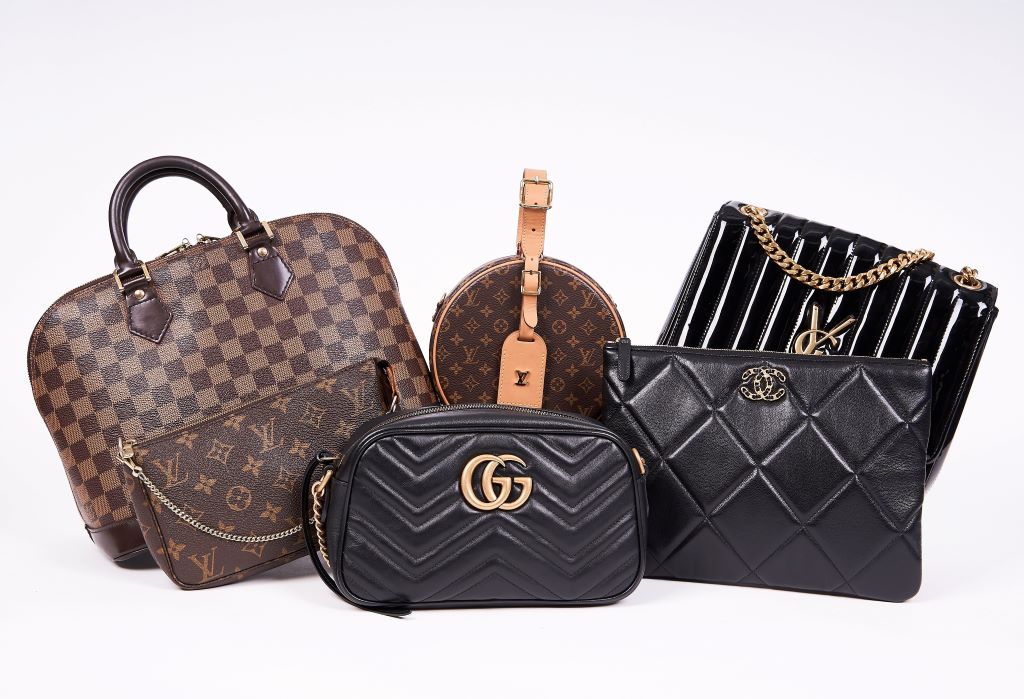
-
Understand Serial Numbers and Date Codes
Serial numbers and authenticity cards are crucial but easily faked.
- Louis Vuitton uses date codes stamped into the lining or seams.
- Chanel has hologram stickers with matching authenticity cards.
A Rebag survey in 2023 reported 60% of fakes had wrong date code formats.
👉 Pro Tip: Learn the correct format for each brand. E.g., Louis Vuitton’s codes changed after 2021.
-
Analyze the Packaging
Luxury brands package their items with the same care as the product itself.
- Dust bags should feel thick and durable.
- Boxes are sturdy, often with embossed logos.
Cheap packaging is a red flag. Real luxury does not ship in thin plastic bags.
👉 Pro Tip: Search unboxing videos for the brand to know what authentic packaging looks like.
-
Purchase from Reputable Sources
Buying directly from boutiques, authorized retailers, or trusted resale sites is the safest bet.
- Trusted platforms like Fashionphile, The RealReal, and Rebag offer authenticity guarantees.
- Always look for buyer protection policies.
Consumer Reports noted that 28% of luxury buyers in 2023 fell victim to scams through peer-to-peer apps.
👉 Pro Tip: Always verify seller reviews and third-party authentication options.
Featured Snippet:
What is the Quickest Way to Spot a Fake Luxury Handbag?
The quickest way to spot a fake luxury handbag is to inspect the stitching and hardware. Authentic handbags have perfectly aligned, tight stitching and heavy, premium-feel hardware. Look for brand logos precisely engraved on hardware parts, and verify date codes or serial numbers against known authentic formats. Buying from reputable sources significantly lowers the risk. Using multiple authentication checks together ensures the highest accuracy.
Real-World Examples of Famous Fake Exposures
- The $1 Million Counterfeit Bust: In 2022, New York police seized over $1 million worth of fake luxury bags, exposing elaborate street market operations (CNN report).
- Instagram Influencers Caught: Several influencers faced backlash after selling counterfeit luxury goods through Instagram, according to a Business Insider report.
- The RealReal Controversy: Despite its reputation, The RealReal faced lawsuits over allegedly failing to catch some fake bags in 2020 (Forbes).
These examples underline the importance of double-checking, even with “trusted” names.
Buyer Reviews and Real Tips
- Samantha W., New York: “I only buy from authenticated resale platforms now. I once lost $2,500 on an Instagram deal gone bad.”
- Mark D., Los Angeles: “Knowing stitch counts and serial number formats has saved me several times.”
- Olivia R., London: “I bring a jeweler’s loupe when shopping vintage — it makes spotting flaws easy.”
Their stories echo the need for vigilance and education.
Read More: Unlocking the Velvet Rope: Your Ultimate Guide to Accessing VIP Sales for Luxury Brands
FAQs About Spotting Authentic Luxury Handbags
Q1: How do you verify a luxury handbag online?
Use multiple photos, check the seller’s reputation, request date code images, and use trusted third-party authentication.
Q2: Are authentication certificates foolproof?
No, counterfeiters fake certificates too. Always cross-verify with brand-specific authentication methods.
Q3: What brands are most counterfeited?
Louis Vuitton, Chanel, Gucci, and Hermès are among the most counterfeited globally.
Q4: How important is stitching in authentication?
Extremely important. Bad stitching often signals poor craftsmanship typical of counterfeits.
Q5: Can you spot a fake by smell?
Yes, fake leather smells like chemicals, unlike the rich, organic scent of real leather.
Q6: Do vintage bags have different authentication markers?
Yes, older bags might lack microchips or have different logo styles. Always research production year markers.
Q7: Is buying from a boutique 100% safe?
Almost always, but rare incidents happen. Keeping receipts and certificates is wise.
Final Thoughts: Stay Sharp, Shop Smart
Spotting an authentic luxury handbag isn’t magic — it’s methodical and requires a keen eye. Always examine the material, stitching, branding, hardware, and packaging before making a purchase. Equip yourself with knowledge and stay ahead of counterfeiters. Authentic luxury isn’t just a status symbol; it’s an investment in timeless craftsmanship and style.
Read More: The Ultimate Luxury Handbag Authentication Guide: Real vs. Fake in 2025
 How to Spot Authentic Luxury Items When Shopping Online
  From Thread to Treasure: Mastering the Art of Verifying Luxury Fabric Quality
  Spotting Fakes: The Ultimate Guide to Identify Counterfeit Luxury Items
  The Ultimate Luxury Handbag Authentication Guide: Real vs. Fake in 2025
  Decoding Louis Vuitton Authentication: A Comprehensive Guide
  Decoding the Louis Vuitton Cipher: A Comprehensive Guide to Date Codes and Authentication
  NYC Jewelry and Watch Show 2026: Tickets, Dates, Show and Visitor Guide
  Summer Fridays Jet Lag Eye Patches: Are They Worth Buying?
  BYOMA Milky Toner: Is the Hydrating Formula Worth It?
  Vibriance Super C Serum: Could It Help Target Age Spots?