
Interior Design Secrets from Top Luxury Homes: What Elite Designers Don’t Want You to Know
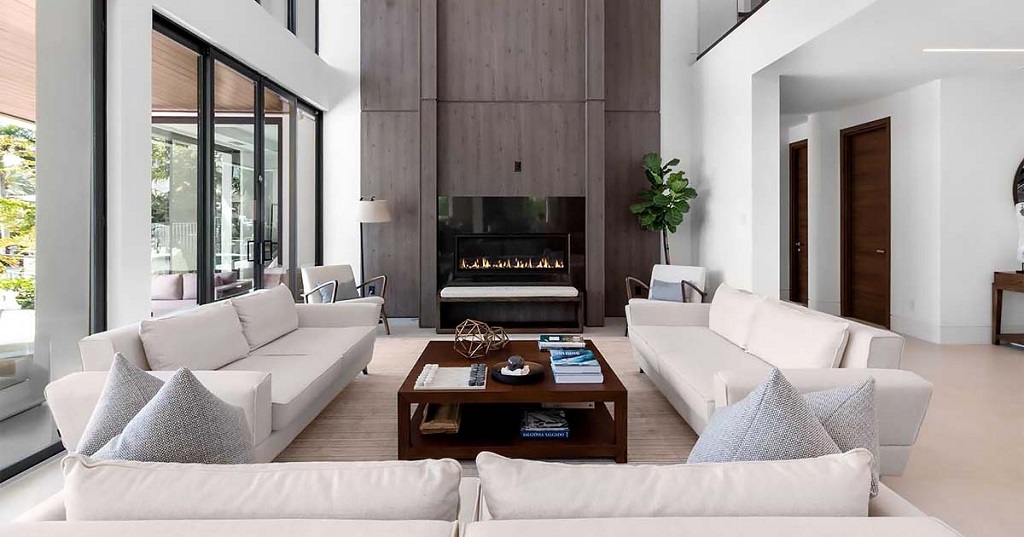
Luxury homes captivate us with their elegance, comfort, and undeniable charm. But what exactly makes these spaces so effortlessly enchanting? Top-tier interior designers understand the science and soul behind luxury interiors. The secret lies in a masterful blend of scale, detail, and personalization. This article reveals the top interior design secrets from luxury homes, offering practical insights you can apply—even without a million-dollar budget.
The Power of Purposeful Layout
A luxury home doesn’t just look good—it feels intuitive. The layout is the foundation of the design. High-end designers begin by mapping out traffic flow, focal points, and room functions. According to Houzz’s 2024 design report, 68% of homeowners prioritize open-concept living, which supports multifunctionality and fluidity.
Designers in elite circles often use zoning techniques—subdividing large spaces into functional areas using furniture, rugs, or lighting. This avoids the “furniture museum” feel and brings human scale into expansive rooms.
Expert Tip:
Before investing in expensive furniture, define how each room should function. Use masking tape to test furniture placement.
Statement Lighting Makes or Breaks the Room
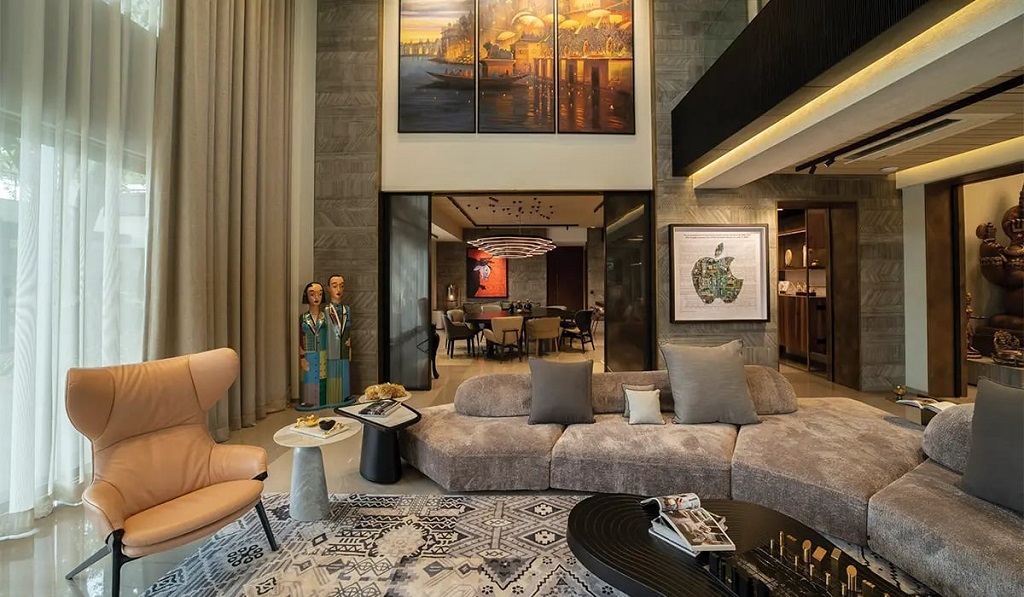
Lighting is not just functional—it’s transformative. Top luxury homes feature layered lighting: ambient, task, and accent. The secret is not the light fixture alone, but how it shapes the space.
A 2023 survey by Architectural Digest revealed that 82% of luxury designers consider lighting their most effective tool for mood setting. Dramatic chandeliers, recessed LED trims, and hidden uplighting create cinematic effects. Consider installing dimmers to allow flexibility throughout the day.
Pro Tip:
Choose oversized lighting for high ceilings. Scale commands presence, and that’s a hallmark of luxury design.
The Art of Customization
Luxury isn’t about splurging—it’s about individuality. High-end homes reflect the owner’s personality through custom elements. From hand-carved marble fireplaces to bespoke cabinetry, these features tell a story.
Companies like Clive Christian Interiors report an increasing demand for fully personalized kitchens and dressing rooms. According to their 2024 trends report, custom millwork is now a primary request in 78% of luxury remodels.
Logical Angle:
Mass-produced pieces rarely offer a tailored fit. Custom elements align better with spatial proportions and the homeowner’s unique lifestyle.
High-Quality Materials—Even Where You Least Expect
Luxury homes never cut corners on materials. Natural stones like Calacatta marble, walnut wood, and handwoven textiles dominate the palette. Even in less visible places—like backsplashes or powder rooms—quality remains a constant.
In a study by Luxury Home Magazine, premium materials increase resale value by 18% on average. Moreover, durability and timeless appeal make high-end finishes a long-term investment.
Insight:
Splurge smartly. Invest in countertops, flooring, and cabinetry. These areas bear the most wear and influence overall aesthetics.
Mastering the Color Narrative
Top designers rarely follow fleeting color trends. Instead, they curate palettes that evoke emotion and harmony. Earth tones, rich jewel hues, and monochromatic schemes are frequent stars in luxury settings.
Benjamin Moore’s 2025 Color Forecast emphasized personal expression over trend conformity. A well-planned color story ensures that every room transitions smoothly into the next, creating a serene and intentional experience.
Expert Tip:
Use color to define zones, heighten ceilings, or deepen intimacy. A navy-painted ceiling in a library, for example, instantly adds drama and depth.
Furniture: Fewer, Bolder Pieces
Forget cluttered spaces with endless decor. Luxury interior design follows a less-but-better philosophy. Fewer pieces, selected with care, speak volumes. Iconic designs—like a Barcelona chair or an Eames lounge—act as functional art.
Elle Decor reports that minimalist maximalism is on the rise: bold pieces set against clean backdrops for impact without chaos.
Logical Justification:
Spaces breathe better with fewer distractions. A statement piece needs negative space to shine.
Bringing Nature Indoors
Luxury homes blur the line between indoors and outdoors. Floor-to-ceiling windows, indoor gardens, and biophilic design create wellness-driven interiors. According to a Harvard Health study, access to natural elements boosts mood and productivity by 15%.
Top-tier homes integrate water features, greenery, and even living walls. This not only elevates aesthetics but supports mental well-being.
Real-World Example:
The Aman New York residences feature zen-inspired spaces with natural stone and curated greenery throughout each home.
Tech Integration Without the Eyesore
Modern luxury homes integrate smart technology invisibly. Automated lighting, climate control, and hidden speakers are standard. However, the trick lies in seamless integration.
Using platforms like Control4 or Savant, designers can embed functionality within beautiful interfaces. 64% of luxury homeowners in 2024 cited “invisible technology” as a top renovation goal, according to Luxury Portfolio International.
Design Tip:
Hide tech inside custom cabinets or behind artwork. Choose finishes that match your interiors.
Featured Snippet:
What Are the Key Interior Design Secrets from Luxury Homes?
Luxury interior design focuses on intentional layout, quality materials, and curated customization. Key secrets include using layered lighting, choosing statement furniture, integrating nature, and ensuring seamless technology. These homes prioritize scale, symmetry, and mood over mere opulence. Designers also emphasize flow between rooms, creating a cohesive visual and emotional journey. With purpose-driven design and personalized touches, luxury interiors become both timeless and livable.
Expert Professional Tips
- Plan Lighting Before Painting: Lighting alters how color looks. Always finalize lighting schemes before selecting wall paint.
- Test Scale with Blue Tape: Tape furniture outlines on floors and walls to visualize proportions before buying.
- Mix Textures, Not Just Colors: Velvet, leather, glass, and natural stone add dimension and tactile appeal.
Frequently Asked Questions
How do luxury homes maintain timeless appeal?
They avoid trend-chasing. Designers use classic elements like natural wood, neutral palettes, and heirloom pieces.
Can small spaces feel luxurious?
Absolutely. Strategic lighting, fewer high-end items, and smart storage make compact areas feel grand.
What’s the biggest mistake in DIY luxury design?
Overfilling rooms. True luxury gives space to breathe and highlights focal points.
How important is symmetry in luxury interiors?
Extremely. Balanced arrangements create visual harmony and enhance relaxation.
Are wallpapers still used in luxury homes?
Yes, especially textured or hand-painted wallpapers in feature areas like dining rooms or powder rooms.
What colors dominate luxury interiors in 2025?
Earthy greens, inky blues, and muted terracotta dominate due to their grounding and organic feel.
How can I make a builder-grade home feel luxurious?
Upgrade lighting, add crown moldings, invest in better hardware, and focus on curated decor pieces.
Read More Also: Rolex vs. Patek Philippe
Final Thought
Designing a luxurious home isn’t about extravagant spending—it’s about intentional choices. Top designers blend art, psychology, and functionality to elevate a space. From selecting the right materials to defining spatial flow, each decision adds a layer of refinement. As you incorporate these interior design secrets from top luxury homes, you’ll not only transform your space but also how you live in it.
References:
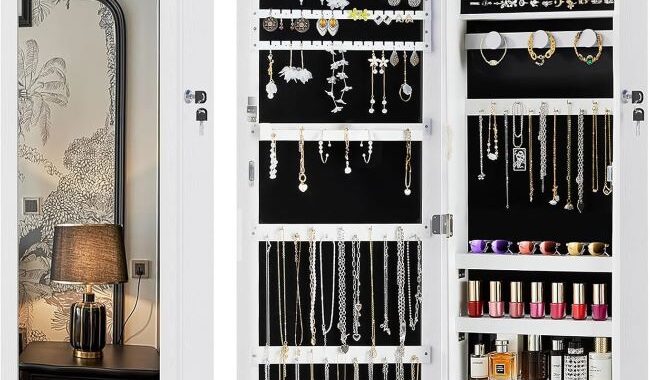 DUMOS Mirror Jewelry Cabinet the Best Space-Saving Choice for Florida (FL) Homes
 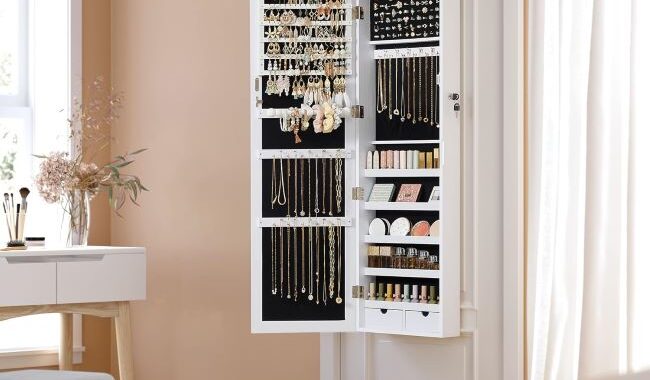 SONGMICS LED Jewelry Cabinet in New York (NY): The Hidden Features That Make Daily Access Easier
 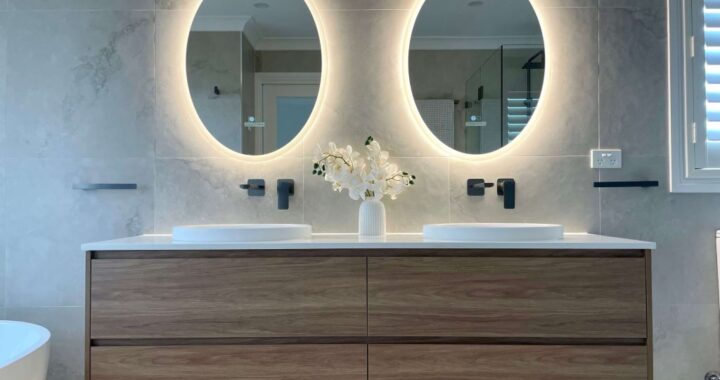 How To Choose a Luxury LED Bathroom Mirror for Modern Homes
 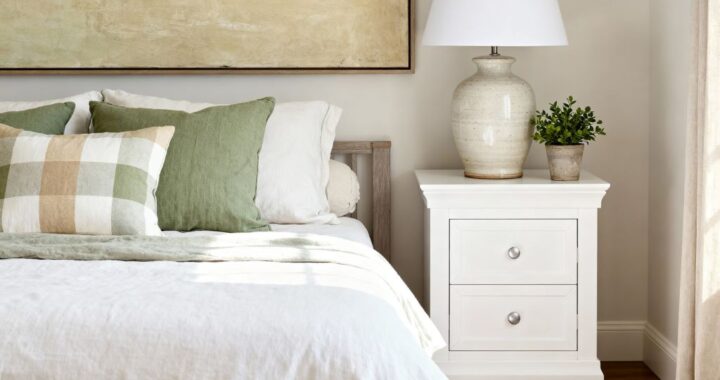 How To Choose a Nightstand That Matches Your Bedroom Style
  How To Choose Kitchen Towels for Better Absorption and Durability
  How To Choose Luxury Wine Glasses for Elegant Dining Experience
  Why Choose A Homde Jewelry Box For Secure Storage?
 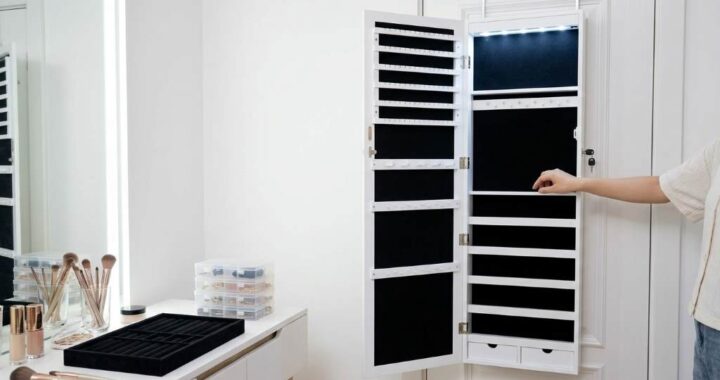 How To Organize With A Songmics LED Jewelry Cabinet?
  How to Assemble a Dumos Mirror Jewelry Cabinet
 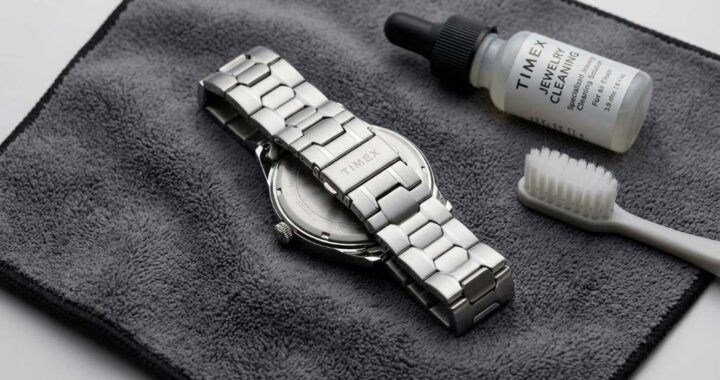 How to Clean a Timex Tribute Stainless Steel Watch