
How to Spot Real Gold and Silver: Expert Tips
Gold and silver have long symbolized wealth and stability. However, with their high value comes a flood of fakes and counterfeits. Whether you’re buying jewelry, coins, or bullion, knowing how to spot real gold and silver can protect your investment. Here’s how you can confidently tell the difference between genuine and fake precious metals using expert tips and logical, evidence-based strategies.
Why It’s Critical to Identify Authentic Gold and Silver
The global gold market is worth over $12 trillion according to the World Gold Council. Silver, while less expensive, remains a major player in both jewelry and industrial sectors. These markets attract counterfeiters looking to capitalize on unsuspecting buyers. The rise of online marketplaces has only made it easier for fakes to circulate.
Counterfeit gold and silver often look convincing at first glance. Some pieces are made from base metals like copper or tungsten and then plated with a thin layer of gold or silver. Others use deceptive markings or fake certificates to appear legitimate. That’s why knowledge and the right tools are key to protecting yourself.
Physical Tests That Reveal the Truth
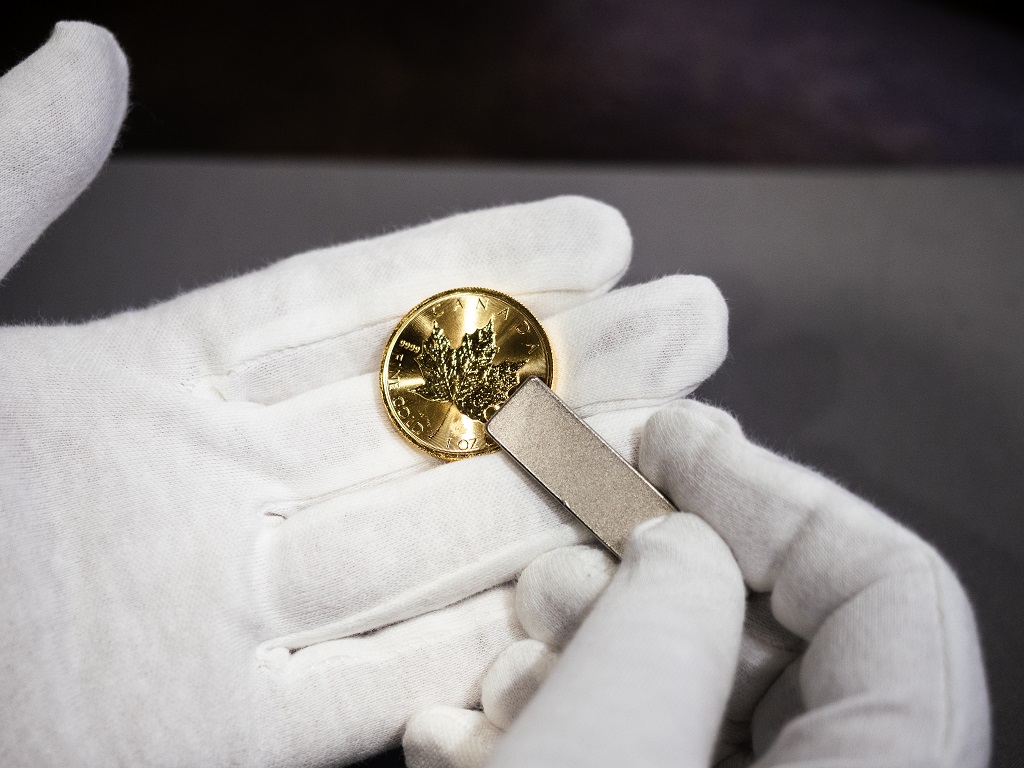
Expert jewelers and collectors rely on several physical tests to verify authenticity. These methods work without special equipment and offer reliable results.
- Magnet Test: Real gold and silver are not magnetic. If a piece is attracted to a magnet, it’s fake or alloyed with magnetic metals.
- Weight Test: Precious metals are dense. A genuine gold coin, for instance, will feel heavier than a fake of the same size.
- Scratch Test: Rubbing gold on a ceramic tile can reveal its authenticity. Real gold leaves a golden streak; fake ones often leave black marks.
- Sound Test: Silver rings with a distinct, high-pitched “ping” when tapped. Fake metals produce a dull thud.
While these tests are useful, they aren’t foolproof. Plated metals can pass some tests, which is why you should always combine multiple methods.
Use of Technology in Authenticating Precious Metals
Advancements in technology have made it easier than ever to detect fake gold and silver. Tools once reserved for professionals are now available to consumers.
- Electronic Gold Testers: Devices like Sigma Metalytics Precious Metal Verifier can test metal purity without damaging the item.
- XRF Analyzers: X-ray fluorescence (XRF) devices can determine metal composition instantly. Though expensive, many pawn shops and appraisers use them.
- Ultrasound Scanners: These detect the internal structure of metals. They can reveal if a gold bar has a tungsten core.
A 2023 report by the London Bullion Market Association showed that XRF analyzers detect over 98% of counterfeit bullion. Therefore, consulting a professional with this tech is worth it for high-value items.
Hallmarks and Stamps: Reading the Language of Purity
Most genuine gold and silver items have hallmark stamps indicating purity and origin. For example:
- Gold: Look for numbers like 999 (24k), 916 (22k), or 750 (18k). These show the percentage of gold content.
- Silver: Genuine silver is often marked 925 (sterling), 999 (fine silver), or 800 (coin silver).
However, counterfeiters can fake these stamps. Always compare hallmarks against reliable databases such as Assay Office databases.
Expert Opinions and Industry Insights
Industry professionals stress a layered approach. According to David Hall, co-founder of Professional Coin Grading Service, “No single test is enough. Combine visual inspection, weight, and XRF for certainty.”
Additionally, the U.S. Mint warns buyers to avoid dealers without clear authentication policies. Reputable dealers usually provide certificates of authenticity and accept returns if items are proven fake.
A growing trend among experts is to buy only from certified dealers or mints. This significantly reduces the risk of ending up with counterfeit pieces.
Online Marketplaces: The Wild West of Precious Metals
Buying gold and silver online can be convenient but risky. In 2022, the Better Business Bureau received thousands of fraud complaints related to online gold sales.
- Red Flags: Extremely low prices, no return policy, vague descriptions, and poor customer reviews.
- Safe Practices: Always buy from trusted sources like JM Bullion, APMEX, or certified eBay and Amazon sellers.
It’s also smart to use a credit card or escrow service that offers buyer protection.
Featured Snippet: How Can You Tell if Gold or Silver Is Real at Home?
You can test gold or silver at home using a few simple methods. Start with the magnet test—real gold and silver aren’t magnetic. Then try the scratch test on an unglazed ceramic tile. Real gold leaves a golden streak, and real silver shows a shiny white or gray line. Use a scale to check weight; precious metals are denser than fakes. Also, inspect the item for hallmarks like “925” for sterling silver or “750” for 18k gold. Combining these tests gives the most reliable results. For high-value items, consider getting a professional appraisal or using electronic testers.
Pro Tip: Always document your purchases and verify any certification through official databases before relying on it.
FAQs on Spotting Real Gold and Silver
Can fake gold have real hallmarks?
Yes. Counterfeiters often stamp fake metals with legitimate-looking hallmarks to deceive buyers.
What’s the easiest test for silver at home?
The ice test—real silver conducts heat fast. Ice placed on silver melts rapidly.
Is real gold ever magnetic?
No. If gold attracts a magnet, it’s fake or impure.
Does real silver tarnish?
Yes, real silver tarnishes over time, unlike stainless steel or fake silver.
Are online gold testers accurate?
Some are. Devices like the Sigma Metalytics Verifier are over 95% accurate for most metals.
Should I trust gold sold on social media?
Only if the seller is verified, reviewed, and offers a return policy. Scams are common.
Can I clean gold or silver with vinegar to test it?
Vinegar can damage real metals and isn’t recommended. Stick to safer tests.
Read More Also: How to Book a Table at Elite Restaurants
Final Thought
Gold and silver are timeless investments, but identifying real pieces requires diligence. Counterfeits have evolved, but so have our tools and knowledge. By combining traditional tests with modern technology, understanding hallmarking, and choosing reputable sellers, you can shop with confidence. The smartest buyers are those who ask questions, demand proof, and trust—but verify. So before your next purchase, take a moment to apply these expert tips. It could save you thousands.
References:
 How To Organize With A Songmics LED Jewelry Cabinet?
  Best Homde Jewelry Box in Wisconsin (WI): Is This Lockable Organizer Worth Buying?
  Jewellery Show London 2026: Dates, Exhibitors and Complete Visitor Guide
  How To Choose an Eyeshadow Palette for Every Occasion
  Morganite vs Kunzite: Durability and Color Comparison
  Best Stones for Engagement Rings in 2026: A Comprehensive Guide to Choosing the Perfect Gem
  Why Choose A Homde Jewelry Box For Secure Storage?
  How to Assemble a Dumos Mirror Jewelry Cabinet
  How to Clean a Timex Tribute Stainless Steel Watch