
Best Stones for Engagement Rings in 2026: A Comprehensive Guide to Choosing the Perfect Gem
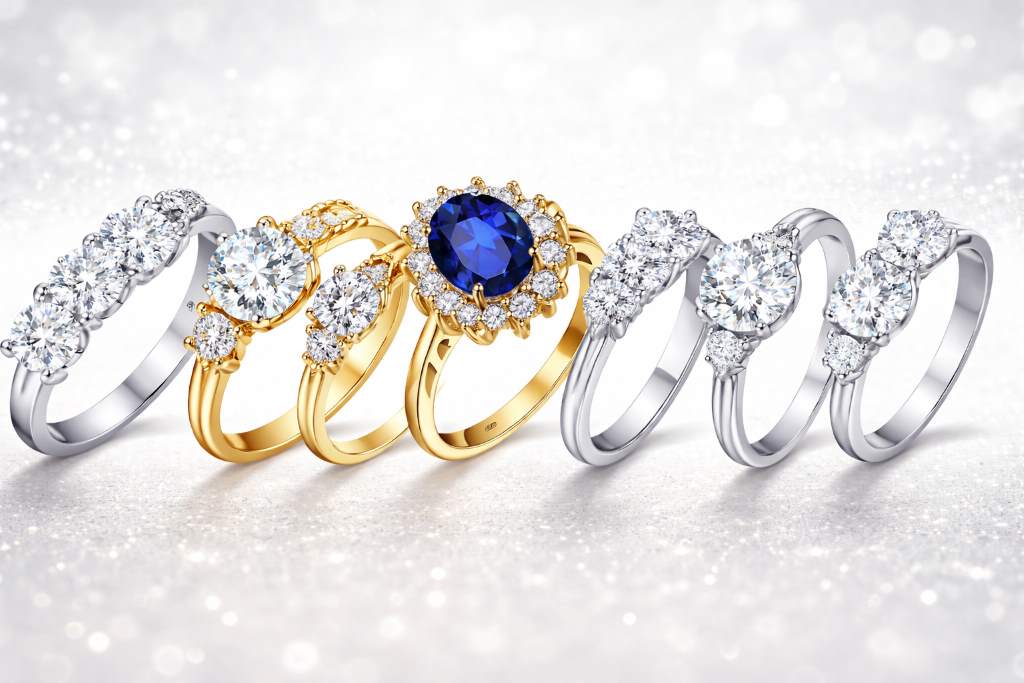
Engagement rings symbolize love, commitment, and a shared future. But with so many gemstones to choose from, how do you pick the one that’s right for you? Whether you’re drawn to the timeless sparkle of diamonds or the vibrant hues of colored gemstones, the best stones for engagement rings balance beauty, durability, and personal significance. This guide dives deep into the world of gemstones, exploring their properties, pros and cons, and top product recommendations to help you find a ring that tells your unique love story.
Why Gemstone Choice Matters for Engagement Rings
The gemstone you choose for an engagement ring is more than just a pretty centerpiece. It’s a reflection of your style, values, and lifestyle. From the unmatched durability of diamonds to the rich symbolism of colored gemstones like sapphires and emeralds, each stone carries its own charm and meaning. Factors like the Mohs hardness scale, ethical sourcing, and setting compatibility play a key role in ensuring your ring stands the test of time. Let’s explore the best stones for engagement rings, their unique qualities, and how they fit into modern jewelry trends.
Best Affordable Stones for Engagement Rings in 2026 at a Glance
Here is the quicklist of the affordable stones for engagement rings in 2026:
- EAMTI Sterling Silver 3-Stone Cubic Zirconia Ring
- Jude Jewelers Stainless Steel Engagement Ring
- PAVOI 14K Gold-Plated Engagement Ring
- JewelryPalace Middleton Birthstone Statement Ring
- MORGAN PAIGE Sterling Silver Engagement Ring
- IMOLOVE Moissanite Engagement Ring
Affordable Stones for Engagement Rings Reviews
EAMTI Sterling Silver 3-Stone Cubic Zirconia Ring
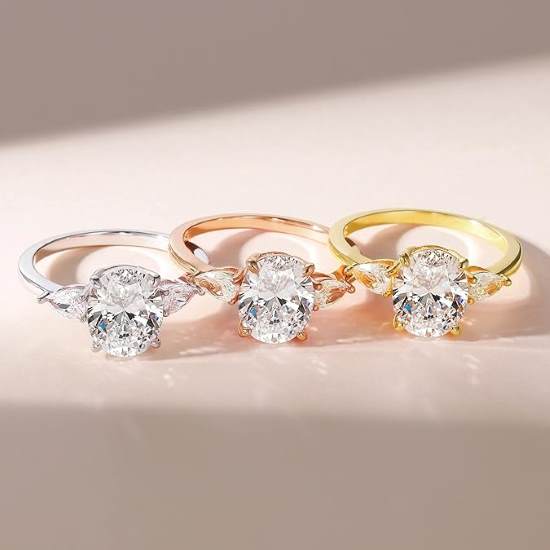
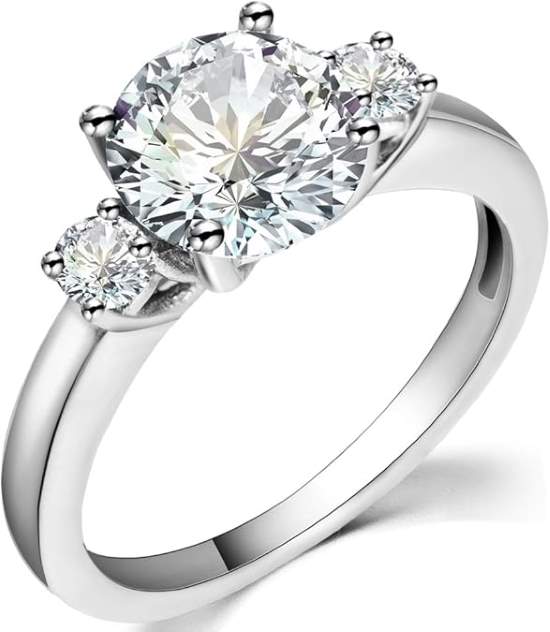
This EAMTI ring features a three-stone design with cubic zirconia, mimicking the sparkle of colorless diamonds. Crafted in sterling silver, it’s a budget-friendly option for those seeking a classic look. The three-stone setting symbolizes the past, present, and future, adding sentimental value. Its hypoallergenic metal makes it suitable for sensitive skin, and the prong settings ensure the stones shine brightly. However, cubic zirconia (Mohs 8–8.5) is less durable than diamonds or sapphires, so it’s best for occasional wear or less active lifestyles. The ring’s versatile design pairs well with stackable wedding bands, making it a great choice for a cohesive bridal set. Ethical sourcing is not explicitly mentioned, so buyers prioritizing sustainability may need to research further.
Pros:
- Affordable and sparkly
- Sentimental three-stone design
- Hypoallergenic sterling silver
- Compatible with stackable rings
Cons:
- Less durable than diamonds or moissanite
- May require frequent cleaning
- Limited ethical sourcing information
Best For: Budget-conscious buyers who love a classic, sentimental design.
Jude Jewelers Stainless Steel Engagement Ring
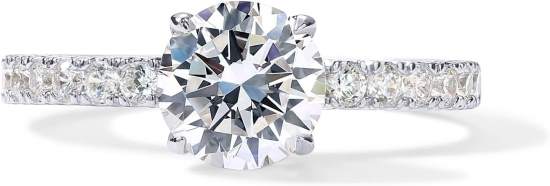
This Jude Jewelers ring uses stainless steel and cubic zirconia for a durable, affordable option. Stainless steel is hypoallergenic and resistant to tarnish, making it ideal for active lifestyles. The single-stone design mimics a classic solitaire, with cubic zirconia providing diamond-like sparkle. At Mohs 8–8.5, the stone is less durable than diamonds but suitable for occasional wear. The ring’s simplicity makes it versatile for stacking with wedding rings. Ethical sourcing details are limited, so buyers may need to verify sustainability practices.
Pros:
- Durable, tarnish-resistant stainless steel
- Affordable and stylish
- Hypoallergenic for sensitive skin
- Simple, stackable design
Cons:
- Cubic zirconia less durable
- Limited ethical sourcing info
- Less brilliance than moissanite
Best For: Active individuals seeking a low-maintenance, budget-friendly ring.
PAVOI 14K Gold-Plated Engagement Ring
The PAVOI ring combines 14K gold-plated sterling silver with cubic zirconia for a luxurious look at a low price. The halo setting enhances the center stone’s sparkle, creating a glamorous effect. Gold plating adds warmth, complementing warm skin tones. However, the plating may wear off over time, and cubic zirconia’s lower durability requires careful handling. This ring is ideal for those who love bold, sparkling designs but aren’t ready to invest in precious stones. It pairs well with stackable rings for a complete bridal look.
Pros:
- Glamorous halo setting
- Affordable gold-plated design
- Bright, eye-catching sparkle
- Stackable with wedding bands
Cons:
- Gold plating may fade
- Cubic zirconia prone to scratches
- Not ideal for daily wear
Best For: Those who want a bold, glamorous look on a budget.
JewelryPalace Middleton Birthstone Statement Ring
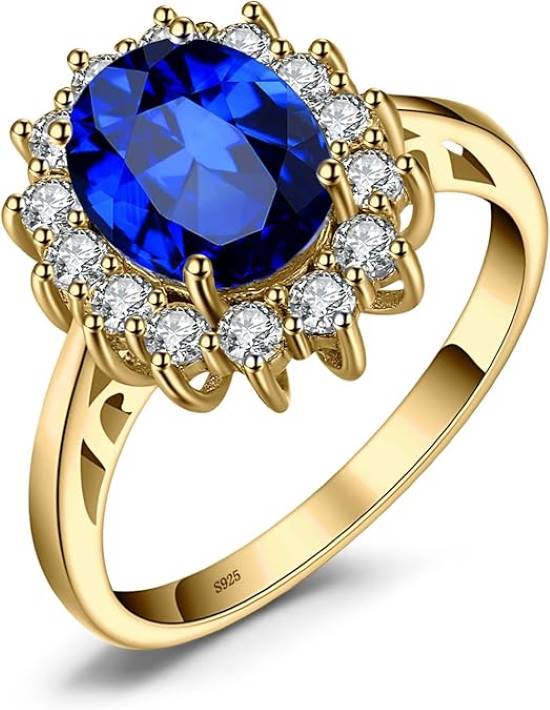
Inspired by Princess Middleton’s iconic sapphire ring, this JewelryPalace piece features a synthetic sapphire surrounded by cubic zirconia in sterling silver. The deep blue sapphire (Mohs 9) offers excellent durability, while the halo setting adds extra sparkle. The ring’s royal-inspired design makes it a standout choice for those who love colored gemstone engagement rings. Sterling silver is hypoallergenic, but the synthetic sapphire may lack the value of natural stones. This ring is perfect for those seeking a durable, elegant piece with historical significance.
Pros:
- Durable synthetic sapphire
- Royal-inspired halo design
- Hypoallergenic sterling silver
- Affordable yet elegant
Cons:
- Synthetic stones less valuable
- May require occasional cleaning
- Limited color variety
Best For: Fans of royal-inspired, durable designs.
MORGAN PAIGE Sterling Silver Engagement Ring
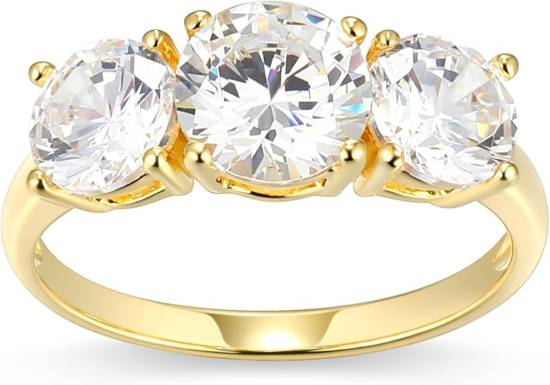
This MORGAN PAIGE ring features a cubic zirconia center stone in a sterling silver bypass ring design. The bypass style adds a modern, artistic flair, making it stand out from traditional settings. The hypoallergenic material ensures comfort, and the design pairs well with stackable wedding bands. However, cubic zirconia’s lower durability (Mohs 8–8.5) makes it less suitable for daily wear, especially for active lifestyles. The ring’s unique design appeals to those who want a non-traditional, budget-friendly option.
Pros:
- Unique bypass ring design
- Affordable and hypoallergenic
- Sparkling cubic zirconia
- Stackable with other rings
Cons:
- Less durable than precious stones
- Not ideal for active lifestyles
- May need frequent cleaning
Best For: Those seeking a modern, artistic ring on a budget.
IMOLOVE Moissanite Engagement Ring
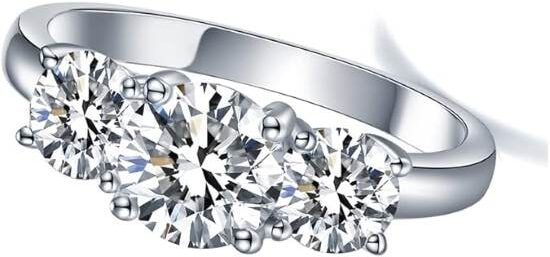
This IMOLOVE ring features a lab-grown moissanite center stone in sterling silver, offering exceptional brilliance and durability (Mohs 9.25). The solitaire design emphasizes the stone’s sparkle, rivaling diamonds at a fraction of the cost. Moissanite’s ethical, lab-created nature appeals to eco-conscious buyers. The ring’s simplicity makes it versatile for stacking with wedding bands. Its durability makes it suitable for daily wear, even for active lifestyles.
Pros:
- Highly durable moissanite
- Exceptional brilliance
- Ethically sourced lab-grown stone
- Versatile solitaire design
Cons:
- Slightly less hard than diamonds
- May show faint tint in larger stones
- Less traditional than diamonds
Best For: Eco-conscious buyers who want sparkle and durability.
Factors to Consider When Choosing a Gemstone
Durability and the Mohs Hardness Scale
The Mohs scale measures a gemstone’s resistance to scratches, with 10 being the hardest (diamond). For daily wear, choose stones with a Mohs rating of 7.5 or higher, like diamonds, sapphires, rubies, or moissanite. Softer stones like moss agate or opal (Mohs 5.5–7) require protective settings and careful handling. Active lifestyles benefit from harder stones to prevent damage.
Color and Personal Significance
Colored gemstone engagement rings offer a spectrum of hues, from sapphire’s royal blue to emerald’s vibrant green. Choose a color that resonates with your style or holds personal meaning, like a birthstone or a stone symbolizing love (ruby) or growth (emerald). White sapphires and white topaz mimic colorless diamonds for a classic look, while morganite and aquamarine add soft, romantic tones.
Ethical and Sustainable Sourcing
Ethical considerations are increasingly important. Lab-grown diamonds and gemstones, like moissanite or lab-created emeralds, reduce environmental impact and avoid conflict mining. Look for certifications like the GIA Colored Stone Identification Report or Responsible Jewellery Council to ensure sustainable sourcing. Recycled diamonds and precious metals are also eco-friendly options.
Setting Style and Compatibility
The setting style affects both aesthetics and durability. Bezel settings protect softer stones like emeralds or morganite, while prong settings maximize sparkle for harder stones like diamonds. Halo settings add glamour, and bypass rings offer a modern twist. Ensure the setting complements the stone’s shape and your lifestyle for a secure, stunning ring.
Budget and Financing Options
Gemstone engagement rings vary widely in cost. Diamonds and high-quality rubies can be expensive, while moissanite, white topaz, and lab-grown gems are budget-friendly. Financing options like Pay Over Time or V12 Retail Finance can make higher-end rings accessible, but check for prepayment penalties or high interest rates. Prioritize quality over size for lasting value.
Historical Context of Engagement Rings
The tradition of engagement rings dates back to 1477, when Archduke Maximilian of Austria gave Mary of Burgundy a diamond ring, setting a trend among European nobility. The Victorian era popularized acrostic jewelry, where gemstones spelled out messages, adding personal significance. Today, modern brides embrace colored gemstones for their uniqueness, inspired by figures like Princess Diana and Princess Middleton, whose sapphire rings redefined tradition.
Related:
Best Smart Watches, Glasses, and Rings You’ll Love
Luxury Brands Offering Massive Black Friday Discounts This Year
Top Gemstones in 2026
Diamonds: The Timeless Classic
Diamonds have long been the go-to choice for engagement rings, thanks to their brilliance and durability. With a perfect 10 on the Mohs hardness scale, diamonds are the hardest natural gemstone, making them ideal for daily wear. Their refractive index ensures dazzling sparkle, and colorless diamonds offer a versatile, classic look that pairs well with any setting style, from prong settings to halo settings.
Pros:
- Unmatched durability (Mohs 10)
- Exceptional brilliance and fire
- Timeless appeal suits all styles
- Available as natural diamonds or lab-grown diamonds for ethical sourcing
Cons:
- Higher cost, especially for high-quality colorless diamonds
- Natural diamond mining can raise ethical concerns
- Limited color variety compared to gemstones
Best For: Couples seeking a traditional, sparkling centerpiece with lasting durability.
Sapphires: Royal Elegance
Sapphires, especially blue sapphires, are a favorite for their rich color and durability (Mohs 9). Famously worn by Princess Diana and Kate Middleton (Princess Middleton), sapphires symbolize wisdom and loyalty. They come in various hues—pink, yellow, teal, and white sapphires—offering versatility. Star sapphires and cabochon sapphires add unique optical effects like asterism, making them stand out.
Pros:
- Highly durable for everyday wear
- Wide range of colors, including rare pink and padparadscha
- Ethical lab-created gems available
- Historical significance (e.g., Princess Diana’s ring)
Cons:
- Slightly less brilliant than diamonds
- Color-treated sapphires may fade over time
- Rare varieties like star sapphire can be pricey
Best For: Those who love vibrant colors and royal-inspired designs.
Rubies: Passionate and Bold
Rubies, with their deep red hue, symbolize love and passion. Scoring a 9 on the Mohs scale, they’re durable enough for daily wear. Their vivid color makes them a striking choice for colored gemstone engagement rings, especially in vintage or halo settings. Rubies are part of the “big four” precious stones, alongside diamonds, sapphires, and emeralds.
Pros:
- Vibrant, romantic color
- Excellent durability
- Unique symbolism of passion
- Pairs well with precious metals like rose gold
Cons:
- High-quality rubies can be expensive
- Slightly brittle due to chromium content
- May require careful cleaning to maintain color
Best For: Couples wanting a bold, romantic statement.
Emeralds: Vibrant and Unique
Emeralds are prized for their lush green color and “jardin” inclusions, resembling a garden. With a Mohs hardness of 7.5–8, they’re less durable than diamonds or sapphires but stunning in protective bezel settings. Their rich history, from Cleopatra’s love for emeralds to modern eco-conscious designs, adds allure.
Pros:
- Unique green hue with natural inclusions
- Symbolizes growth and loyalty
- Lab-grown emeralds offer ethical options
- Stunning in vintage or nature-inspired settings
Cons:
- Fragile due to inclusions; requires careful handling
- Periodic oiling needed for clarity
- Not ideal for highly active lifestyles
Best For: Nature lovers and those seeking a distinctive look.
Moissanite: The Sparkling Alternative
Moissanite, a lab-created gem, rivals diamonds in brilliance with a 9.25 Mohs rating. Its affordability and ethical production make it a top diamond alternative. Moissanite’s color-changing properties under different lighting add a modern twist, perfect for contemporary designs like halo or three-stone settings.
Pros:
- Exceptional brilliance and fire
- Budget-friendly compared to diamonds
- Ethically sourced (lab-grown)
- Durable for daily wear
Cons:
- Slightly less hard than diamonds
- May show a faint yellow tint in larger stones
- Less traditional than diamonds
Best For: Budget-conscious couples who want sparkle without the high cost.
Morganite: Soft and Romantic
Morganite’s peach-pink hues make it a romantic choice for engagement rings. With a Mohs hardness of 7.5–8, it’s suitable for daily wear with protective settings like bezels. Its subtle color pairs beautifully with rose gold, evoking warmth and compassion.
Pros:
- Feminine, romantic color
- Affordable compared to diamonds
- Lab-grown options available
- Complements warm skin tones
Cons:
- Softer than diamonds or sapphires
- Requires protective settings
- Color may fade with prolonged sun exposure
Best For: Those who love soft, feminine hues and modern designs.
Aquamarine: Serene and Elegant
Aquamarine, with its calming blue-green shade, evokes the tranquility of the sea. At 7.5–8 on the Mohs scale, it’s durable enough for daily wear with care. Its affordability and ethereal glow make it a popular choice for unique engagement rings.
Pros:
- Serene, ocean-inspired color
- Affordable and widely available
- Durable with proper care
- Complements cool skin tones
Cons:
- Softer than sapphires or rubies
- May chip without protective settings
- Less vibrant than other colored gems
Best For: Couples who love calming, coastal-inspired aesthetics.
White Topaz: Affordable Elegance
White topaz is a budget-friendly diamond alternative with a colorless appearance and Mohs rating of 8. It’s ideal for those seeking a classic look without the high cost. White topaz shines in prong or halo settings but requires careful handling to avoid scratches.
Pros:
- Affordable and colorless like diamonds
- Good durability for daily wear
- Versatile for various settings
- Ethical sourcing options available
Cons:
- Less brilliant than diamonds or moissanite
- Prone to scratches over time
- Requires regular cleaning
Best For: Budget-conscious buyers who want a diamond-like look.
Moss Agate: Nature’s Art
Moss agate, with its green, leaf-like inclusions, resembles a wearable landscape. At 7 on the Mohs scale, it’s less durable but perfect for nature-inspired rings with protective settings. Its organic beauty appeals to those seeking a bohemian vibe.
Pros:
- Unique, nature-inspired inclusions
- Affordable and distinctive
- Symbolizes growth and connection
- Pairs well with rustic or vintage settings
Cons:
- Softer stone; not ideal for daily wear
- Requires protective settings
- Limited color variety
Best For: Nature lovers and those seeking a one-of-a-kind ring.
Pros and Cons of Gemstone Engagement Rings
Pros:
- Variety: Wide range of colors and styles for personalization.
- Affordability: Many gemstones cost less than diamonds.
- Ethical Options: Lab-grown and recycled stones reduce environmental impact.
- Symbolism: Stones like emeralds (growth) and rubies (passion) add meaning.
- Uniqueness: Colored gems create one-of-a-kind rings.
Cons:
- Durability: Softer stones like moss agate or opal may scratch or chip.
- Maintenance: Some gems (e.g., emeralds) require special care.
- Cost of Rare Stones: High-quality sapphires or rubies can be pricey.
- Resale Value: Gemstones often have lower resale value than diamonds.
- Limited Brilliance: Some gems lack the sparkle of diamonds or moissanite.
How to Choose the Perfect Ring
- Assess Lifestyle: Active lifestyles need durable stones (Mohs 7.5+). Less active individuals can consider softer gems with protective settings.
- Set a Budget: Balance stone quality, size, and setting costs. Lab-grown gems save money without sacrificing beauty.
- Choose a Metal: Precious metals like platinum, 14K, or 18K gold enhance durability and aesthetics. Rose gold pairs well with morganite, while white gold suits sapphires.
- Consider Ring Size: Use a ring sizer for a precise fit, especially for stackable rings or wedding bands.
- Consult a Jeweler: A personal concierge or GIA-certified gemologist can guide you on stone quality and ethical sourcing.
- Match with Wedding Band: Ensure the engagement ring’s setting allows a flush fit with the wedding band for a cohesive look.
Related:
- The Best Cushioned Running Shoes: Ultimate Comfort for Every Stride
- Affordable Designer Clothes That Feel High-End
- How to Correctly Use a Watch Winder for Your Collection
Trends in Gemstone Engagement Rings
- Colored Gemstones: Sapphires, emeralds, and morganite are trending for their vibrant hues.
- Lab-Grown Gems: Eco-conscious couples prefer lab-created diamonds and gemstones.
- Vintage Styles: Old European cut diamonds and Victorian-era designs are making a comeback.
- Stackable Rings: Pairing engagement rings with complementary wedding bands is popular.
- Unique Settings: Bypass rings and asymmetrical designs add modern flair.
FAQs
What is the most durable gemstone for an engagement ring?
Diamonds (Mohs 10) are the most durable, followed by sapphires and rubies (Mohs 9). Moissanite (Mohs 9.25) is also highly durable.
Are lab-grown gemstones a good choice for engagement rings?
Yes, lab-grown gems like moissanite and lab-grown diamonds are ethical, affordable, and have identical properties to natural stones.
Which gemstones are best for active lifestyles?
Diamonds, sapphires, rubies, and moissanite are ideal due to their high Mohs ratings (9–10). Use bezel settings for extra protection.
How do I care for a gemstone engagement ring?
Avoid ultrasonic cleaners for emeralds, opals, or fractured stones. Clean with mild soap and water, and store separately to prevent scratches.
Can I customize a gemstone engagement ring?
Yes, many jewelers offer custom designs, allowing you to choose the stone, setting, and metal. Consult a personal concierge for tailored options.
Conclusion
Choosing the best stone for your engagement ring is a deeply personal decision. Whether you’re drawn to the timeless sparkle of diamonds, the vibrant hues of sapphires, or the budget-friendly brilliance of moissanite, there’s a gemstone that fits your style, values, and lifestyle. Consider durability, color, ethical sourcing, and setting compatibility to ensure your ring lasts a lifetime. Ready to find your dream ring? Explore our recommended products or consult a jeweler to create a custom piece that tells your love story. Share your favorite gemstone or ring style in the comments below, or contact a crystal shop for personalized guidance!
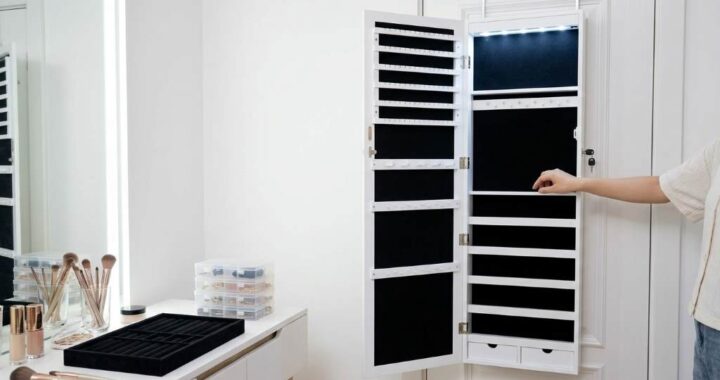 How To Organize With A Songmics LED Jewelry Cabinet?
  Best Homde Jewelry Box in Wisconsin (WI): Is This Lockable Organizer Worth Buying?
  Jewellery Show London 2026: Dates, Exhibitors and Complete Visitor Guide
  How To Choose an Eyeshadow Palette for Every Occasion
  Morganite vs Kunzite: Durability and Color Comparison
  Jewelry Buying Guide: What to Look for in Fine Jewelry
  NYC Jewelry and Watch Show 2026: Tickets, Dates, Show and Visitor Guide
  Summer Fridays Jet Lag Eye Patches: Are They Worth Buying?
  BYOMA Milky Toner: Is the Hydrating Formula Worth It?
  Vibriance Super C Serum: Could It Help Target Age Spots?