
Jewelry Buying Guide: What to Look for in Fine Jewelry
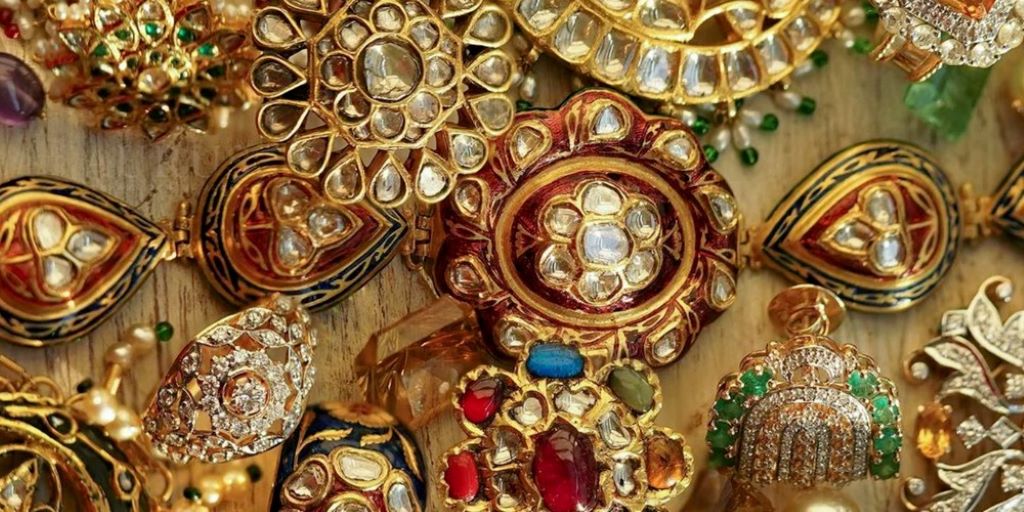
Fine jewelry is more than just an accessory; it’s an investment, a symbol of love, a cherished heirloom, and an expression of personal style. Whether you’re marking a special occasion, looking for an engagement ring, or simply adding to your collection, understanding what constitutes “fine jewelry” and knowing what to look for in fine jewelry are essential steps in assessing its quality and value. This comprehensive guide will equip you with the knowledge to make informed and confident purchases, ensuring your chosen pieces bring joy and value for years to come.
Defining Fine Jewelry: Beyond the Sparkle
At its core, fine jewelry is crafted from precious metals and adorned with genuine gemstones. This distinguishes it from costume jewelry, which often uses plated metals and synthetic stones. The key characteristics that define fine jewelry include:
- Precious Metals: Gold (various karats and colors), platinum, and sterling silver are the most common. These metals are valued for their beauty, durability, and intrinsic worth.
- Genuine Gemstones: This includes diamonds, rubies, sapphires, emeralds, and a vast array of other natural stones, each with its unique properties and value.
- Expert Craftsmanship: Fine jewelry exhibits superior artistry, attention to detail, and robust construction, ensuring longevity and lasting beauty.
The Pillars of Value: Diamonds and Gemstones
When it comes to fine jewelry, the stones often take center stage. Understanding how to evaluate their quality is crucial.
Diamonds: The Eternal Sparkle – The 4Cs
Diamonds are graded universally based on the “4Cs”: Cut, Color, Clarity, and Carat Weight. These factors collectively determine a diamond’s beauty and value.
- Cut: This is arguably the most critical “C,” as it dictates a diamond’s sparkle, brilliance, and fire. A well-cut diamond, even with a lower color or clarity grade, will outshine a poorly cut diamond of higher grades. Cut refers not to the shape (like round or princess) but to the diamond’s proportions, symmetry, and polish, which interact with light. Look for GIA (Gemological Institute of America) or AGS (American Gem Society) excellent or ideal cut grades for optimal brilliance.
- Brilliance: The white light reflected from the diamond’s surface.
- Fire: The dispersion of light into spectral colors.
- Scintillation: The flashes of sparkle and dark areas when the diamond is moved.
- Color: Diamonds are graded on a scale from D (colorless) to Z (light yellow or brown). Colorless diamonds (D-F) are the most desirable and rare. Near-colorless diamonds (G-J) still appear white to the naked eye and offer excellent value. Beyond J, a yellow tint becomes more noticeable.
- Clarity: This refers to the absence of inclusions (internal flaws) and blemishes (external imperfections). The clarity scale ranges from Flawless (FL) to Included (I3). While flawless diamonds are exceedingly rare and expensive, many diamonds with slight inclusions (VS1, VS2, SI1, SI2) are eye-clean (inclusions not visible without magnification) and present a good balance of quality and value.
- Carat Weight: This measures a diamond’s weight, not its size. One carat equals 200 milligrams. While a larger carat weight generally means a larger diamond and higher price, it’s essential to remember that cut, color, and clarity significantly impact the diamond’s overall beauty and value, regardless of its weight. Two diamonds of the same carat weight can have vastly different prices due to their other “C” grades.
Colored Gemstones: A Kaleidoscope of Beauty
Unlike diamonds, colored gemstones are evaluated using a slightly different set of criteria, though color, clarity, and cut remain important.
- Color: This is the most crucial factor for colored gemstones. It encompasses three aspects:
- Hue: The pure spectral color (e.g., red, blue, green).
- Saturation: The intensity or richness of the color. Highly saturated, vivid colors are generally most desirable.
- Tone: The lightness or darkness of the color. A balanced tone that is neither too light nor too dark is preferred.
- For example, a vibrant, pure red ruby with strong saturation and a medium tone would be highly prized.
- Clarity: While inclusions are often more accepted in colored gemstones than in diamonds, their impact on the stone’s beauty and durability is still considered. Some inclusions, like the “garden” in emeralds or “silk” in sapphires, can even enhance a stone’s character or prove its natural origin.
- Cut: A good cut maximizes the gemstone’s color, brilliance, and overall appeal. It should be proportionate and symmetrical to allow light to interact optimally.
- Carat Weight: Similar to diamonds, this is a measure of weight.
- Treatments: Many colored gemstones undergo treatments (e.g., heating, oiling) to enhance their color or clarity. Reputable jewelers will always disclose any known treatments, as they can affect a gemstone’s value and care requirements.
- Origin: For some rare and highly valued gemstones, the geographical origin can significantly influence its price (e.g., Kashmir sapphires, Burmese rubies, Colombian emeralds).
Precious Metals: The Foundation of Enduring Beauty
The metal used in your jewelry plays a vital role in its durability, appearance, and value.
- Gold: Gold’s purity is measured in karats (K), with 24K being pure gold. However, pure gold is too soft for most jewelry, so it’s alloyed with other metals to increase its strength.
- Yellow Gold: The classic choice, typically alloyed with silver and copper. Common purities include 14K (58.3% gold), 18K (75% gold), and 22K (91.67% gold).
- White Gold: Created by alloying gold with white metals like palladium, nickel, or silver, and often plated with rhodium for a brighter white finish.
- Rose Gold: Achieved by alloying gold with a higher percentage of copper, giving it a warm, reddish hue.
- Platinum: A naturally white, incredibly dense, and durable metal. It’s hypoallergenic and develops a lovely patina over time. Platinum jewelry is typically 90-95% pure. While more expensive than gold, its density and resistance to wear make it a popular choice for engagement rings and heirloom pieces.
- Sterling Silver: An alloy of 92.5% pure silver and 7.5% other metals (usually copper). It’s more affordable than gold or platinum and known for its bright luster. However, it tarnishes and requires regular cleaning.
The Art of Craftsmanship: Beyond the Materials
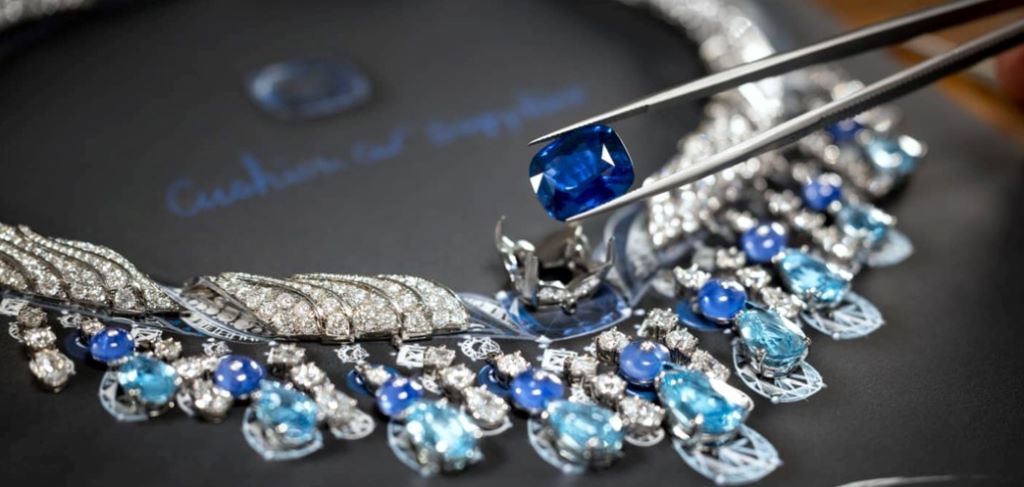
Even with the finest materials, poor craftsmanship can diminish a piece’s value and longevity. When inspecting fine jewelry, look for:
- Secure Settings: Gemstones should be securely set with no movement or looseness. Prongs should be evenly spaced and not bent or worn.
- Smooth Finish: The metal should have a smooth, polished finish without visible scratches, dents, or casting imperfections.
- Strong Clasps and Joints: Ensure all clasps are sturdy and operate smoothly. Joints should be well-soldered and show no signs of weakness.
- Symmetry and Proportions: The overall design should be symmetrical and well-proportioned, indicating careful attention to detail.
- Hallmarks and Maker’s Marks: Precious metal jewelry should bear hallmarks indicating its purity (e.g., “18K,” “PT950,” “925”) and often a maker’s mark, signifying the manufacturer.
The Importance of Certification and Appraisal
For significant jewelry purchases, especially those involving diamonds and high-value gemstones, independent certification and a professional appraisal are invaluable.
- Diamond and Gemstone Certifications: Reputable independent gemological laboratories like GIA (Gemological Institute of America) and AGS (American Gem Society) provide detailed reports on diamonds and significant colored gemstones. These reports offer an unbiased assessment of the stone’s characteristics (4Cs for diamonds, color, clarity, cut, and treatments for gemstones), serving as a crucial validation of its quality and authenticity.
- Jewelry Appraisals: An appraisal provides an estimated retail replacement value of your jewelry piece, typically for insurance purposes. It includes a detailed description of the piece, its materials, and the quality of its components. Appraisals should be conducted by an independent certified gemologist or appraiser.
Ethical Sourcing: Making a Responsible Choice
In today’s market, the origin of your jewelry’s materials is an increasingly important consideration. Ethical sourcing addresses concerns regarding human rights, labor practices, and environmental impact in mining and manufacturing.
- Conflict-Free Diamonds: The Kimberley Process Certification Scheme aims to prevent the flow of conflict diamonds (rough diamonds used to finance wars against legitimate governments) into the market. Look for jewelers who explicitly state their commitment to sourcing conflict-free diamonds.
- Fairmined and Fair Trade Gold: These certifications ensure that gold is mined responsibly, with fair wages, safe working conditions, and minimal environmental impact for the artisanal miners involved.
- Traceability: Some jewelers offer greater transparency by tracing the origin of their materials, from mine to market.
- Recycled Metals: Choosing jewelry made from recycled precious metals reduces the demand for newly mined materials and minimizes environmental impact.
Where to Buy: Online vs. Brick-and-Mortar
Both online and traditional brick-and-mortar jewelers offer unique advantages.
- Brick-and-Mortar Jewelers:
- Pros: Hands-on experience, ability to physically inspect and try on jewelry, personalized service and expert advice, on-site services (cleaning, repairs), opportunity to build a relationship with a local jeweler.
- Cons: Often higher prices due to overhead, limited inventory compared to online.
- Online Jewelers:
- Pros: Wider selection, often more competitive pricing due to lower overhead, convenience of shopping from home, detailed product descriptions and high-resolution images/videos.
- Cons: Cannot physically touch or try on pieces, requires careful research into retailer reputation and return policies, potential for misrepresentation (though reputable online jewelers mitigate this with certifications).
For high-value purchases like engagement rings, a hybrid approach can be beneficial: research extensively online to compare prices and options, then visit a physical store to see similar pieces in person and receive expert consultation.
Caring for Your Fine Jewelry: Preserving its Beauty
Once you’ve acquired your fine jewelry, proper care is essential to maintain its sparkle and longevity.
- Regular Cleaning: Clean your jewelry regularly with a mild soap and warm water, using a soft brush to remove dirt and oils. For diamonds, a gentle scrub with a soft toothbrush can work wonders.
- Avoid Harsh Chemicals: Remove jewelry before swimming (chlorine can damage metals and some gemstones), cleaning with household chemicals, or applying lotions, perfumes, and hairspray.
- Store Separately: Store pieces individually in soft pouches or compartmentalized jewelry boxes to prevent scratching and tangling.
- Professional Inspection and Cleaning: Have your fine jewelry professionally inspected and cleaned at least once a year by a trusted jeweler. They can check for loose stones, worn prongs, and overall wear and tear, addressing minor issues before they become major problems.
- Handle with Care: Avoid wearing delicate pieces during strenuous activities or when doing manual labor.
Conclusion: A Timeless Investment
Buying fine jewelry is a deeply personal and often significant experience. By understanding the nuances of diamonds, colored gemstones, precious metals, and craftsmanship, you empower yourself to make a wise and rewarding decision. Beyond its monetary value, fine jewelry carries emotional weight, becoming a tangible representation of life’s precious moments and a legacy to be passed down through generations. With careful consideration and a discerning eye, your chosen pieces will not only adorn you with beauty but also enrich your life with their enduring significance.
Read More:
Does Louis Vuitton Authenticate? Truth About Luxury Authentication
Decoding Louis Vuitton Authentication: A Comprehensive Guide
 How To Organize With A Songmics LED Jewelry Cabinet?
  Best Homde Jewelry Box in Wisconsin (WI): Is This Lockable Organizer Worth Buying?
  Jewellery Show London 2026: Dates, Exhibitors and Complete Visitor Guide
  How To Choose an Eyeshadow Palette for Every Occasion
  Morganite vs Kunzite: Durability and Color Comparison
 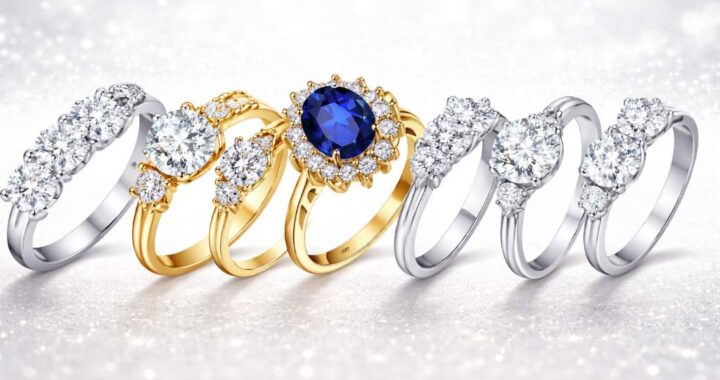 Best Stones for Engagement Rings in 2026: A Comprehensive Guide to Choosing the Perfect Gem
  Why Choose A Homde Jewelry Box For Secure Storage?
  How to Assemble a Dumos Mirror Jewelry Cabinet
 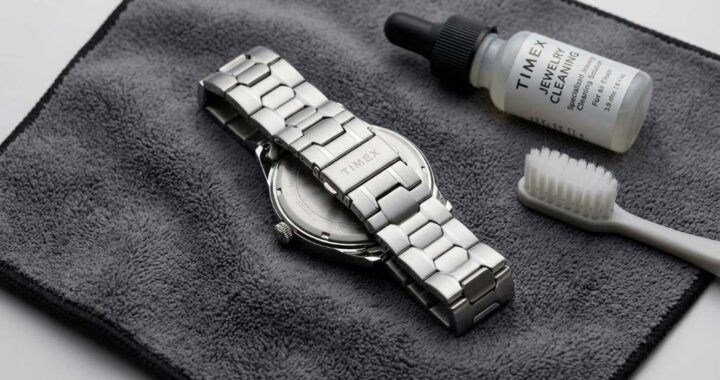 How to Clean a Timex Tribute Stainless Steel Watch