
How to Choose the Best Stones for Engagement Rings: A Complete Buying Guide
Choosing the right stone for an engagement ring is more than a design decision. It reflects personality, values, and long term meaning. According to a report by the Gemological Institute of America, over 60 percent of buyers now explore alternatives beyond traditional diamonds. At the same time, data from the U.S. Geological Survey shows rising demand for ethically sourced gemstones.
So, how do you choose the stones for engagement rings without feeling overwhelmed? This guide simplifies everything. You will learn how to compare stones, understand quality factors, and make a confident decision that fits your style and values.
Why the Stone Matters in Engagement Rings
The stone is the centerpiece of the ring. It draws attention and carries emotional weight. However, many buyers focus only on appearance and ignore durability or symbolism.
A well chosen stone should balance three key factors:
- Visual appeal that matches personal taste
- Strength for everyday wear
- Meaning or symbolism that resonates
For example, diamonds symbolize eternity, while sapphires often represent loyalty. Therefore, your choice should reflect both aesthetics and deeper meaning.
Types of Stones for Engagement Rings
Diamonds
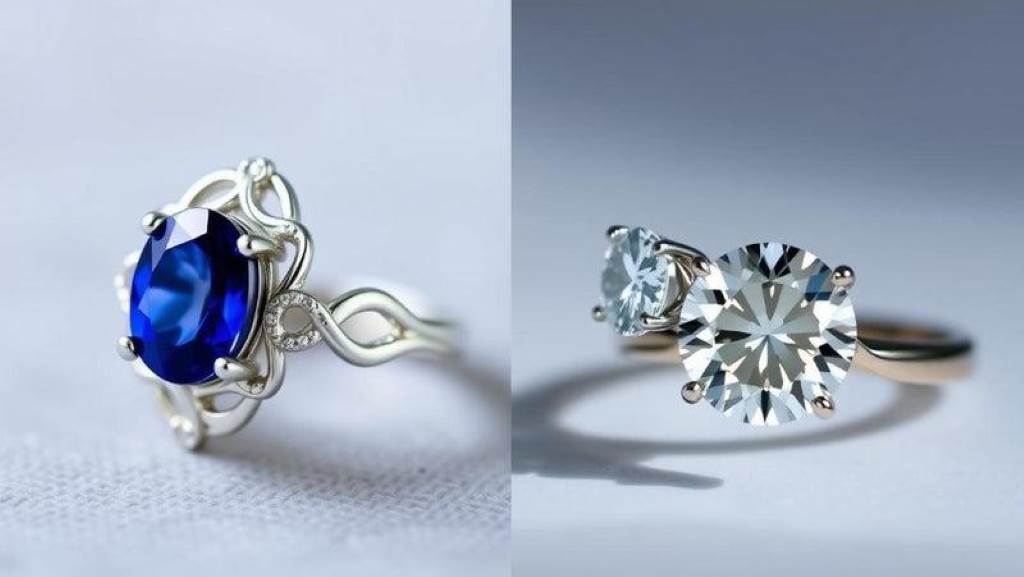
Diamonds remain the most popular choice. They are known for brilliance and durability.
Key benefits include:
- Exceptional hardness, ranking 10 on the Mohs scale
- High sparkle due to light reflection
- Timeless appeal
However, modern buyers also consider ethical sourcing and lab grown options.
Sapphires
Sapphires offer rich color and strong durability. Blue is the most common, yet they come in many shades.
Why choose sapphires:
- Durable for daily wear
- Unique color options
- Often more distinctive than diamonds
Emeralds
Emeralds provide a deep green tone that feels luxurious. However, they require more care due to natural inclusions.
They are ideal if you want:
- A bold, vintage look
- A unique statement piece
Rubies
Rubies stand for passion and love. Their red color makes them eye catching.
Advantages include:
- Strong symbolism
- Good durability
- Rare and valuable
Alternative Stones
Modern trends include non traditional options such as:
- Moissanite
- Aquamarine
- Morganite
- Opal
These stones offer uniqueness and often better affordability without sacrificing beauty.
Understanding the 4Cs for Stone Selection
When choosing a stone, especially diamonds, the 4Cs matter.
1. Cut
Cut affects how light reflects from the stone. A well cut stone sparkles more.
2. Color
Color ranges from colorless to noticeable hues. Less color usually means higher value in diamonds.
3. Clarity
Clarity measures internal flaws. Fewer inclusions result in better appearance.
4. Carat
Carat refers to weight. Bigger stones look impressive but should not compromise quality.
Balancing these factors helps you get the best overall value.
How to Match the Stone with Personal Style
Choosing a stone becomes easier when you consider lifestyle and taste.
Ask these questions:
- Does the person prefer classic or modern styles?
- Do they like bold or subtle jewelry?
- Will they wear the ring daily?
For example, a minimalist may prefer a simple diamond, while a creative personality may enjoy a colored gemstone.
Durability and Everyday Wear
Not all stones handle daily wear equally. Hardness plays a crucial role.
Best Stones for Daily Use
- Diamond
- Sapphire
- Ruby
Stones That Need Extra Care
- Emerald
- Opal
- Pearl
If the ring will be worn daily, choose a harder stone to avoid scratches and damage.
Ethical and Sustainable Choices
Today, buyers care about where their stones come from. Ethical sourcing ensures that mining practices are safe and fair.
Options to consider:
- Lab grown diamonds
- Conflict free gemstones
- Recycled stones
These choices reduce environmental impact while maintaining beauty and quality.
Popular Stone Shapes and Their Impact
The shape of a stone changes its appearance dramatically.
Common shapes include:
- Round for maximum sparkle
- Oval for a modern look
- Princess for a sharp, clean style
- Cushion for a vintage feel
Each shape interacts differently with light, so try multiple options before deciding.
Setting Styles That Enhance the Stone
The setting protects and highlights the stone.
Popular settings include:
- Solitaire for simplicity
- Halo for extra sparkle
- Three stone for symbolic meaning
- Bezel for added protection
The right setting can make even a smaller stone look more prominent.
Common Mistakes to Avoid
Many buyers make avoidable mistakes.
Watch out for:
- Choosing size over quality
- Ignoring durability
- Not checking certification
- Following trends instead of personal taste
Avoiding these errors ensures a better long term choice.
How to Compare Stones Before Buying
Before making a final decision, compare options carefully.
Use this checklist:
- Check certification from a trusted lab
- Compare stones under natural light
- Evaluate clarity with magnification
- Ask about origin and sourcing
Taking these steps helps you make a confident and informed purchase.
Expert Tips for Choosing the Perfect Stone
Here are practical tips that professionals recommend:
- Focus on overall appearance rather than just specs
- Prioritize cut quality for maximum brilliance
- Consider lifestyle before choosing delicate stones
- Choose a stone that tells a story
These insights can make a significant difference in your final choice.
Conclusion
Choosing the best stone for an engagement ring requires careful thought. You need to balance beauty, durability, and meaning. While diamonds remain a classic option, alternative gemstones offer unique charm and personal expression.
Take time to explore different stones, compare their qualities, and align your choice with lifestyle and values. When you choose thoughtfully, the ring becomes more than jewelry. It becomes a lasting symbol of commitment.
Now, take the next step. Explore your options and choose a stone that truly reflects your story.
FAQs
What is the best stone for an engagement ring?
Diamonds are the most durable and popular choice. However, sapphires and rubies also work well for daily wear.
Are alternative gemstones a good choice?
Yes, alternative stones offer unique style and often better value. They are ideal for non traditional preferences.
How important is stone durability?
Durability is essential for everyday wear. Harder stones resist scratches and last longer.
Should I choose a natural or lab grown stone?
Both options are valid. Lab grown stones are more sustainable, while natural stones hold traditional appeal.
What matters more, size or quality?
Quality matters more. A well cut smaller stone often looks better than a larger low quality one.
 How to Size a Timex Tribute Mens Citation Watch
  Where to Find a Timex NFL Gamer Watch
  Why Buy a Timex Mens Easy Reader Watch
  How to Find the Perfect Exercise T Shirt for Women: Comfort, Style, and Sweat Wicking Guide
  How to Select the Best Jogging Shoes for Women: Fit, Support, and Running Efficiency Guide
  How to Choose the Right Jogging Shoes for Men: Comfort, Performance, and Durability Tips
  Why Choose A Homde Jewelry Box For Secure Storage?
  How To Organize With A Songmics LED Jewelry Cabinet?
  How to Assemble a Dumos Mirror Jewelry Cabinet
  How to Clean a Timex Tribute Stainless Steel Watch